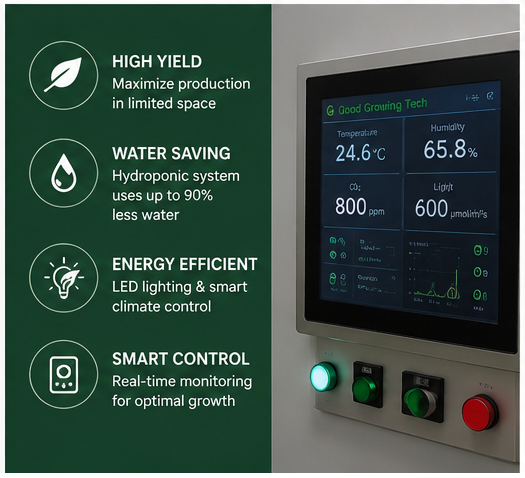
Modern Indoor Vegetable Farming Solutions
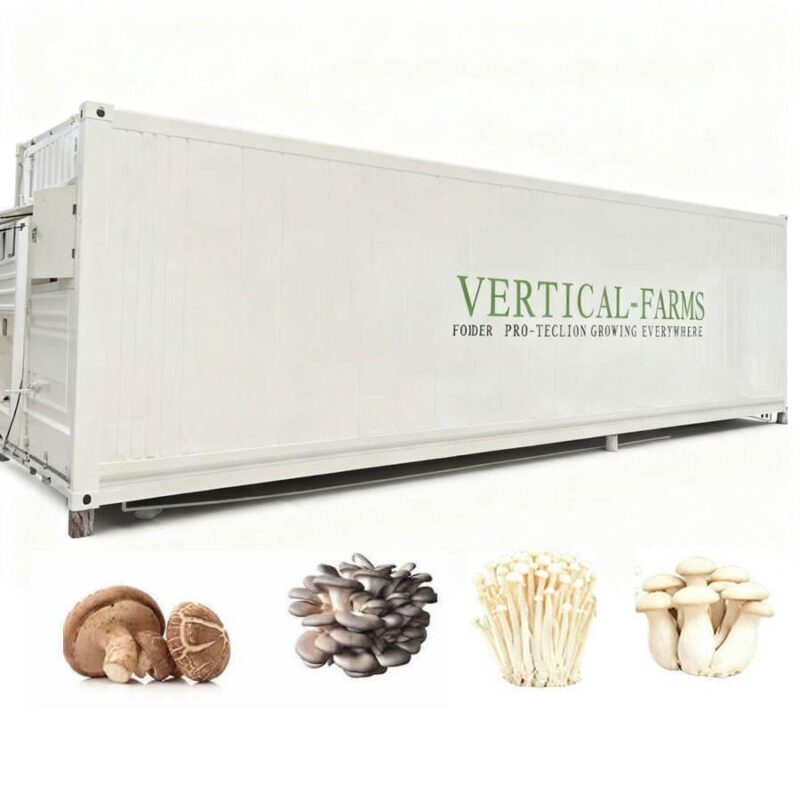
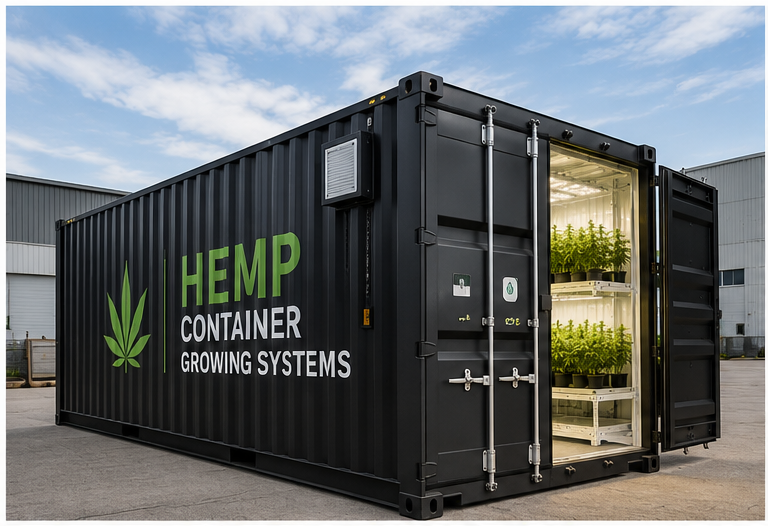
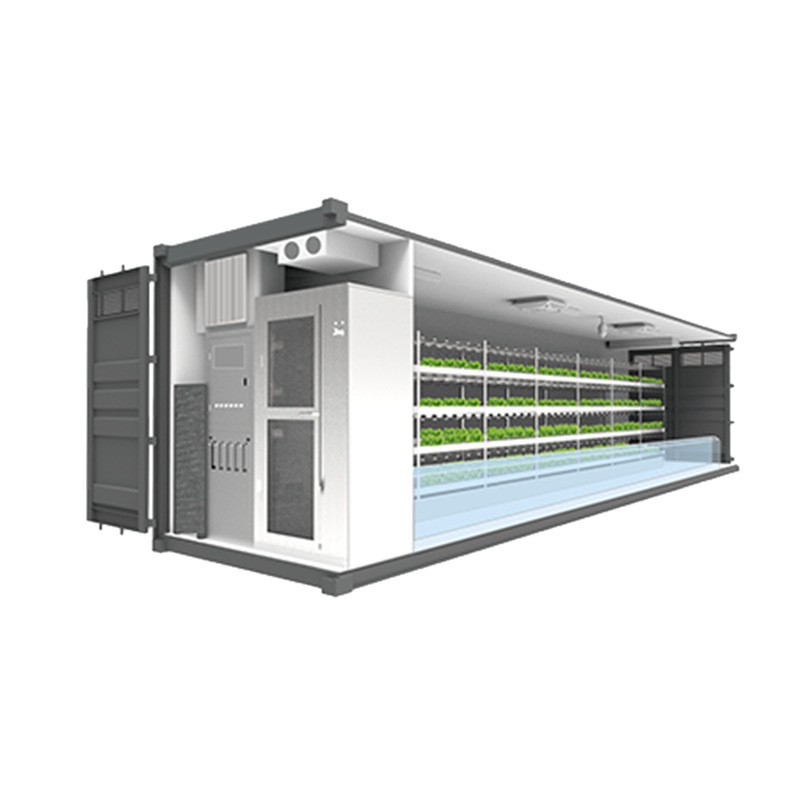
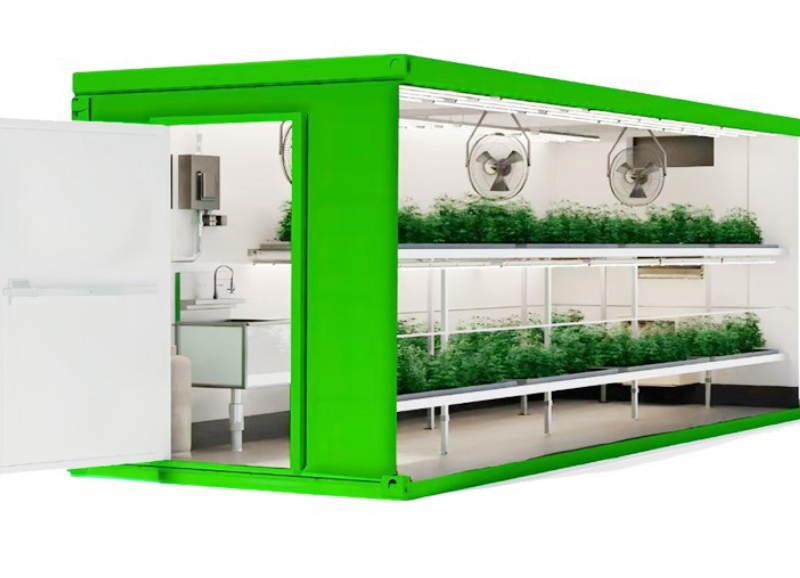
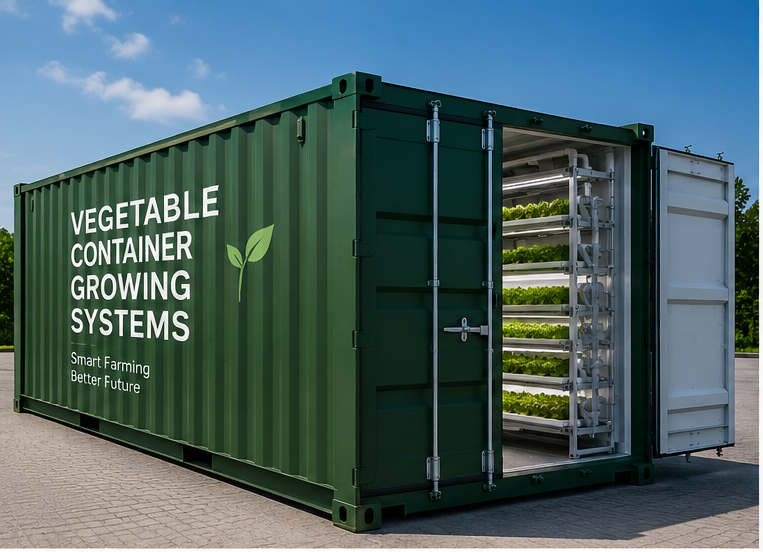
Modern vegetable farming is no longer limited by weather, seasons, or traditional land conditions. As demand for fresh produce continues to grow in urban and commercial markets, more agricultural businesses are investing in Vegetable Container Growing Systems to improve production efficiency and supply stability.
For many buyers, consistency is one of the biggest challenges in vegetable cultivation. Outdoor farming can be affected by rainfall, temperature fluctuations, pests, and seasonal limitations. Container growing systems solve many of these problems by creating a stable and controlled environment that supports healthier and more predictable crop production.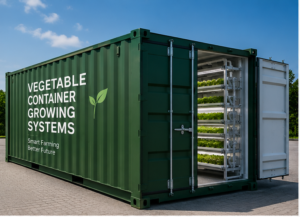
Year-Round Vegetable Production Advantages
One of the main reasons commercial growers choose container systems is the ability to achieve year-round harvesting. By controlling environmental conditions inside the container, vegetables can be cultivated continuously regardless of external climate conditions.
This allows businesses to maintain stable market supply and improve overall profitability. For wholesale vegetable suppliers and food distributors, consistent production schedules are essential for long-term customer relationships.
Space Optimization for Urban Agriculture
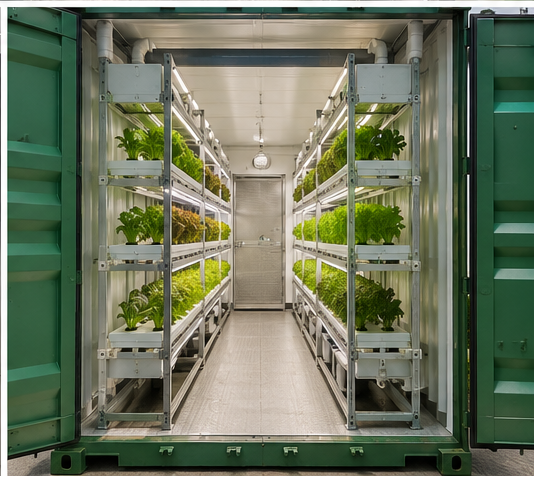
Space efficiency is another major advantage. Urban agriculture projects often face limited growing space, making traditional farming methods difficult to scale. Vegetable Container Growing Systems use vertical layouts and optimized planting structures to maximize production within compact areas.
These systems are ideal for warehouses, rooftop farming projects, industrial buildings, and urban farming centers where efficient land usage is critical.
Water-Saving Irrigation and Hydroponic Systems
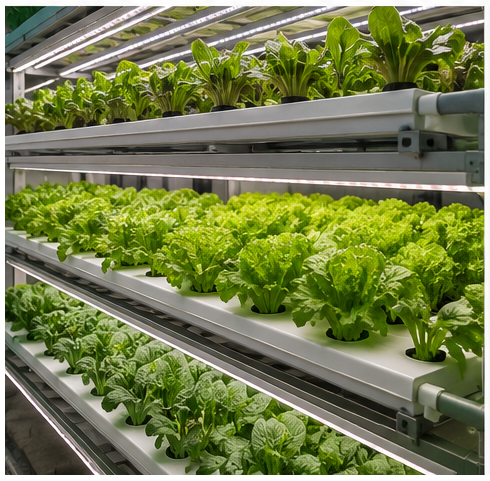
Commercial buyers also pay close attention to water efficiency. Traditional farming methods can consume large amounts of water, especially during hot seasons. Modern container systems often integrate hydroponic or automated irrigation solutions that significantly reduce water usage while improving nutrient delivery.
Controlled irrigation systems also help minimize resource waste while supporting healthier plant growth.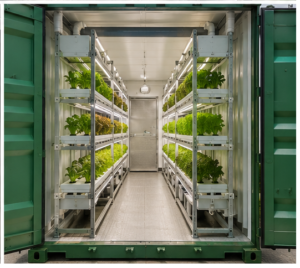
Improving Vegetable Freshness and Crop Quality
Freshness and quality are key priorities for vegetable suppliers. Controlled growing environments help reduce contamination risks while improving vegetable appearance, texture, and consistency.
Stable environmental management also helps reduce crop loss caused by pests or environmental stress. This is especially valuable for businesses supplying supermarkets, restaurants, and local food distribution networks.
Energy-Efficient LED Lighting Systems
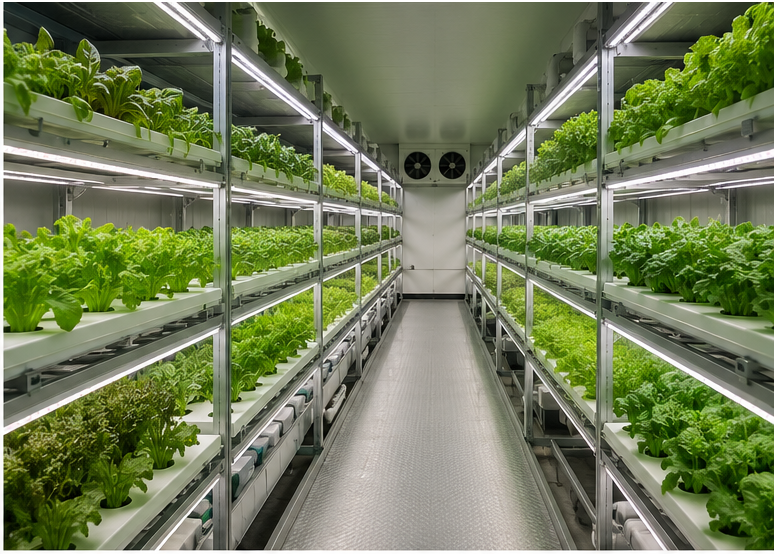
Lighting systems play an important role in indoor vegetable cultivation. Many container systems are designed to support full-spectrum LED grow lights that provide balanced light conditions for different vegetable varieties.
Buyers often prefer energy-efficient lighting solutions that support high productivity while reducing operational costs. Lower energy consumption helps improve overall return on investment for indoor farming businesses.
Climate Control and Automation Features
Climate control features are another important purchasing consideration. Proper airflow, humidity management, and temperature regulation directly affect vegetable growth quality.
Advanced systems often include intelligent environmental control systems that help growers maintain stable conditions with less manual adjustment. Automated controls also reduce labor pressure and improve cultivation efficiency.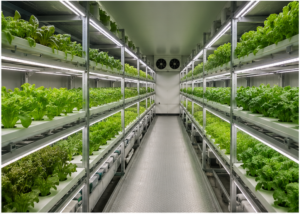
Flexible and Scalable Farming Systems
Flexibility is one of the strongest selling points of container growing systems. These units can be installed near restaurants, supermarkets, warehouses, farms, or urban distribution centers. This allows businesses to shorten transportation time and deliver fresher produce to local markets.
Another important advantage is scalability. Vegetable Container Growing Systems support modular expansion, allowing businesses to increase production capacity gradually. This is especially attractive for startups and growing agricultural brands that want to expand carefully without excessive upfront investment.
Safer and More Sustainable Food Production
Food safety standards have also become increasingly important in modern agriculture. Controlled container environments help reduce exposure to external pollutants and improve traceability throughout the cultivation process.
Many wholesale buyers and agricultural project developers also value customization options. Different vegetable crops require different spacing, lighting intensity, airflow systems, and irrigation setups. Custom-designed systems allow growers to optimize production according to specific crop requirements.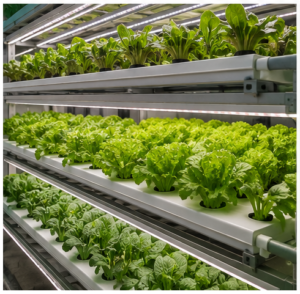
As urban agriculture and indoor farming continue to grow worldwide, Vegetable Container Growing Systems are becoming an important solution for sustainable food production.
For commercial growers looking to improve production efficiency while maintaining high product quality, container-based vegetable farming offers a practical and scalable path forward.
Contact Us
📧 Email: arno@goodgrowingtech.com
🌐 Website: www.goodgrowingtech.com
📱 WhatsApp: +86-
🏢 Good Growing Tech – Professional Indoor Farming Solutions