Why More Farms Are Investing in Forage Container Growing Systems
As livestock farming continues to expand worldwide, stable feed supply has become one of the biggest concerns for agricultural businesses. Traditional forage cultivation depends heavily on seasonal weather conditions, water availability, and land resources. Because of this, more farms are now turning to Forage Container Growing Systems to improve production stability and operational efficiency.
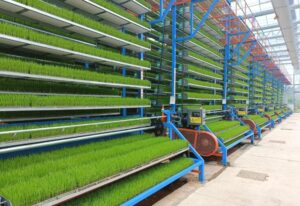
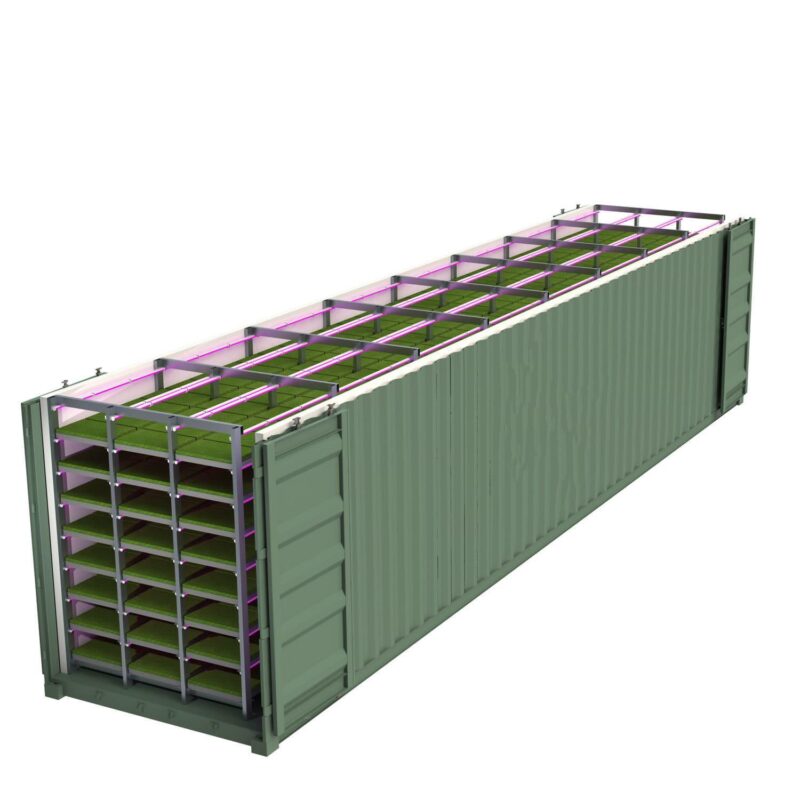
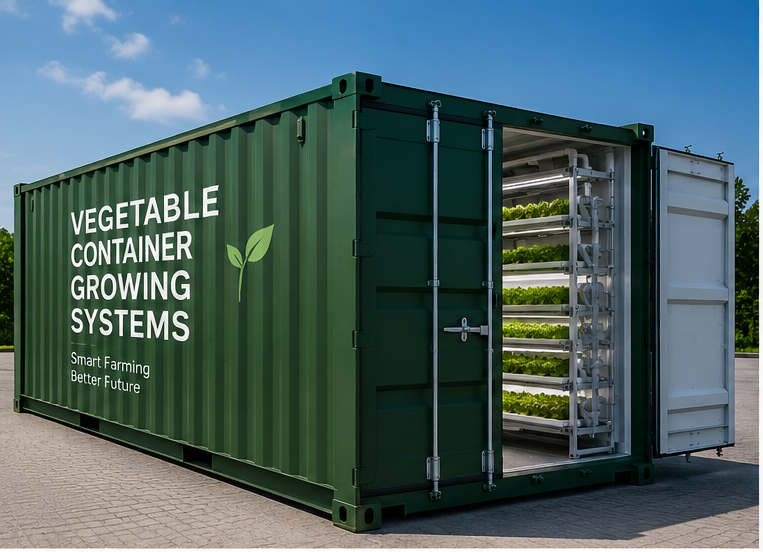
Container-based forage cultivation creates a fully controlled environment where growers can produce fresh feed continuously throughout the year. This approach is especially valuable in regions with unstable climates, limited farmland, or long dry seasons.
Reliable Fresh Feed Production Throughout the Year
One of the biggest advantages of controlled forage cultivation is production consistency. Outdoor forage farming can be interrupted by drought, heavy rainfall, or temperature fluctuations, which may affect feed quality and livestock nutrition.
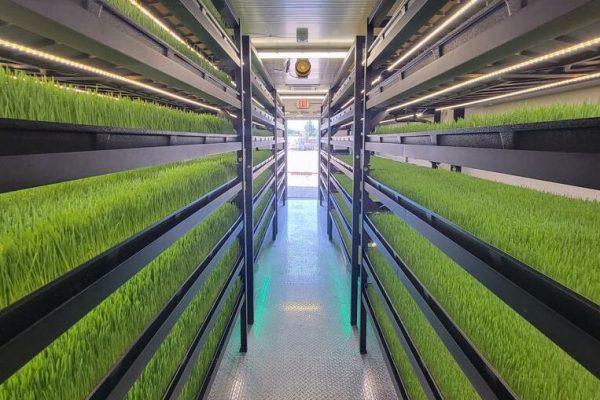
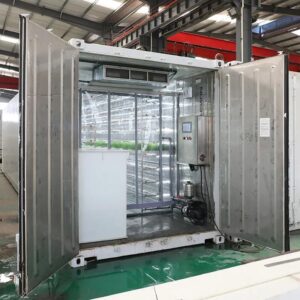
Forage Container Growing Systems help reduce these risks by maintaining stable growing conditions inside an insulated cultivation environment. Temperature, humidity, irrigation, and lighting can all be managed more precisely.
This allows livestock farms to maintain stable feed production regardless of seasonal environmental changes.
 Water-Saving Hydroponic Growing Technology
Water efficiency is another major purchasing factor for modern agricultural businesses. Traditional forage farming often consumes large amounts of water, especially in dry regions.
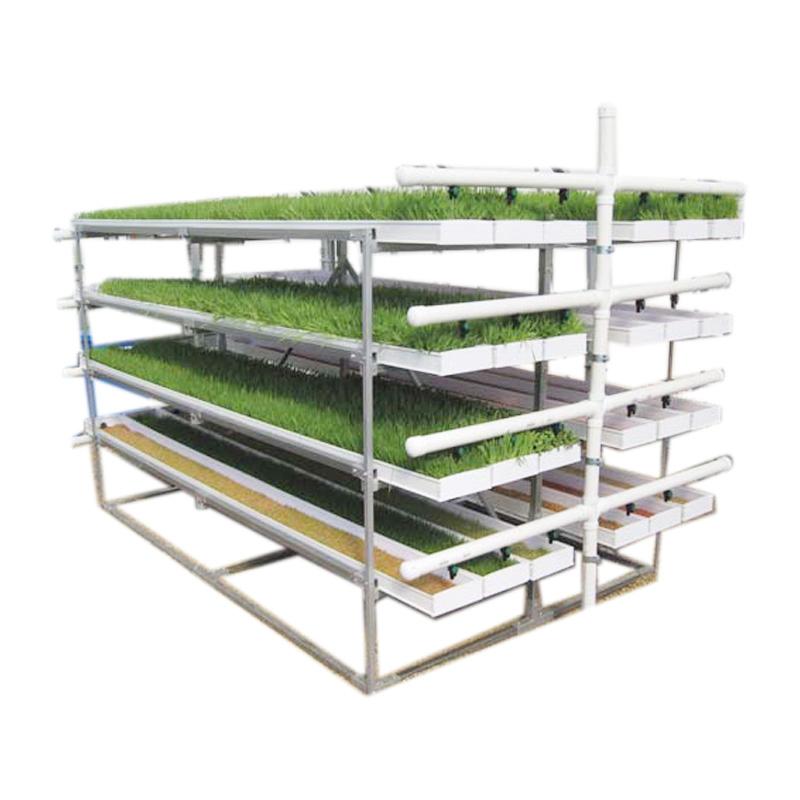
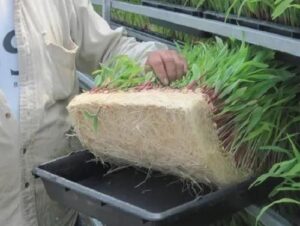
Many container-based systems integrate hydroponic growing technologies and automated irrigation systems that significantly reduce water usage while improving nutrient absorption efficiency.
Compared with conventional cultivation methods, hydroponic forage systems can produce fresh feed using far less water and land.
Efficient Space Utilization for Large Livestock Operations
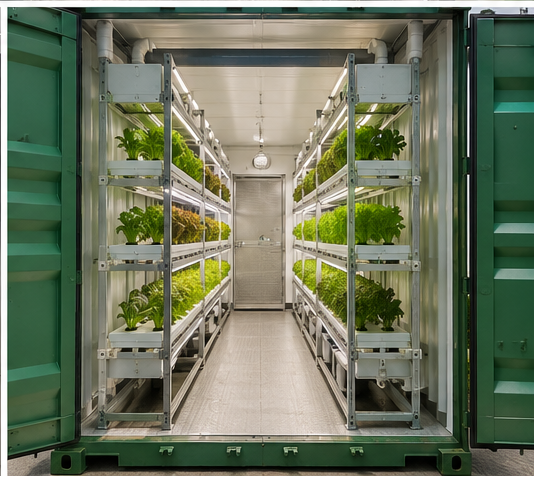
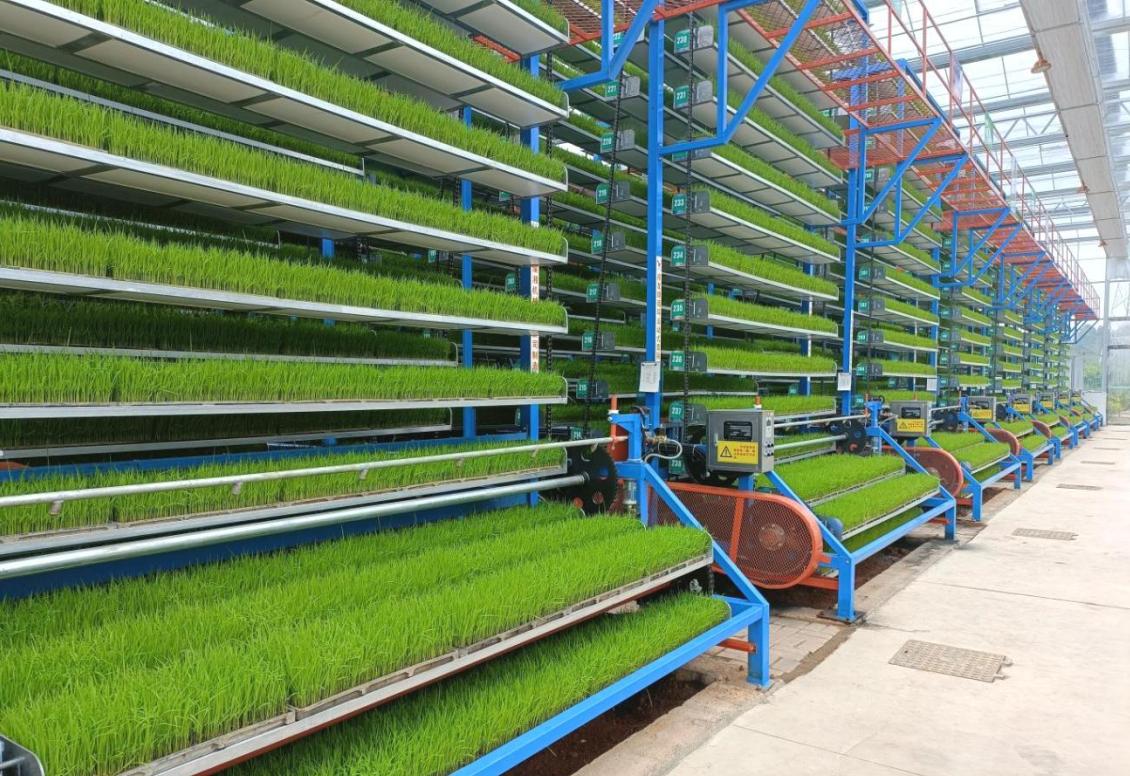
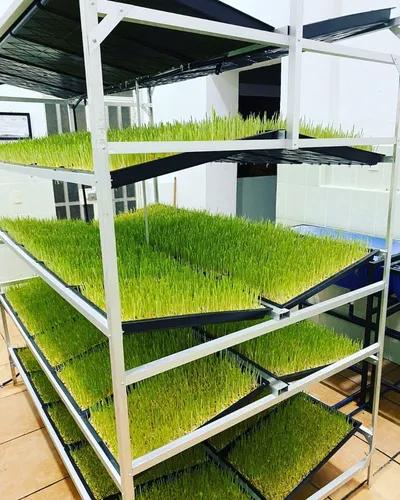
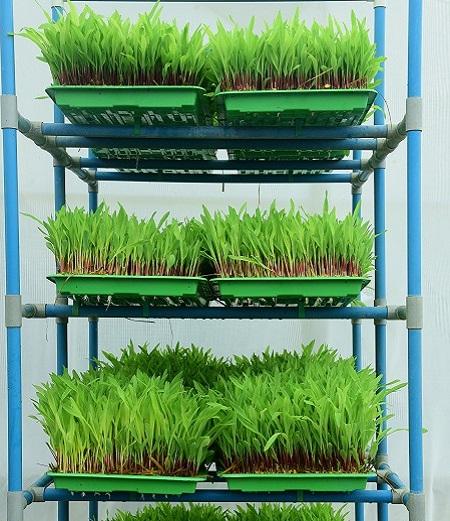
Space optimization is highly important for modern livestock farms. Vertical growing layouts and multi-layer cultivation racks allow businesses to maximize production capacity inside compact container structures.
This makes container-based forage cultivation especially suitable for dairy farms, cattle operations, horse farms, and commercial livestock facilities where continuous feed supply is essential.
Compact system layouts also help reduce transportation and storage costs associated with traditional forage supply chains.
Related Reading:Advanced Greenhouse Engineering Solutions | Integrated Hydroponic Systems
Intelligent Automation Improves Operational Efficiency
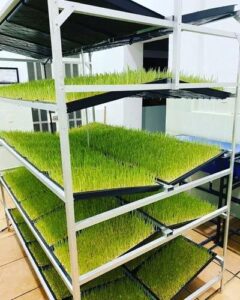
Automation technology is becoming increasingly valuable for commercial agricultural operations. Modern Forage Container Growing Systems often include intelligent environmental monitoring, automated irrigation controls, lighting management systems, and nutrient delivery solutions.
These automated features reduce manual labor while improving production consistency and operational efficiency.
For large farms managing multiple livestock operations, centralized system controls simplify daily management and reduce labor pressure.
Durable Structures Designed for Long-Term Agricultural Use
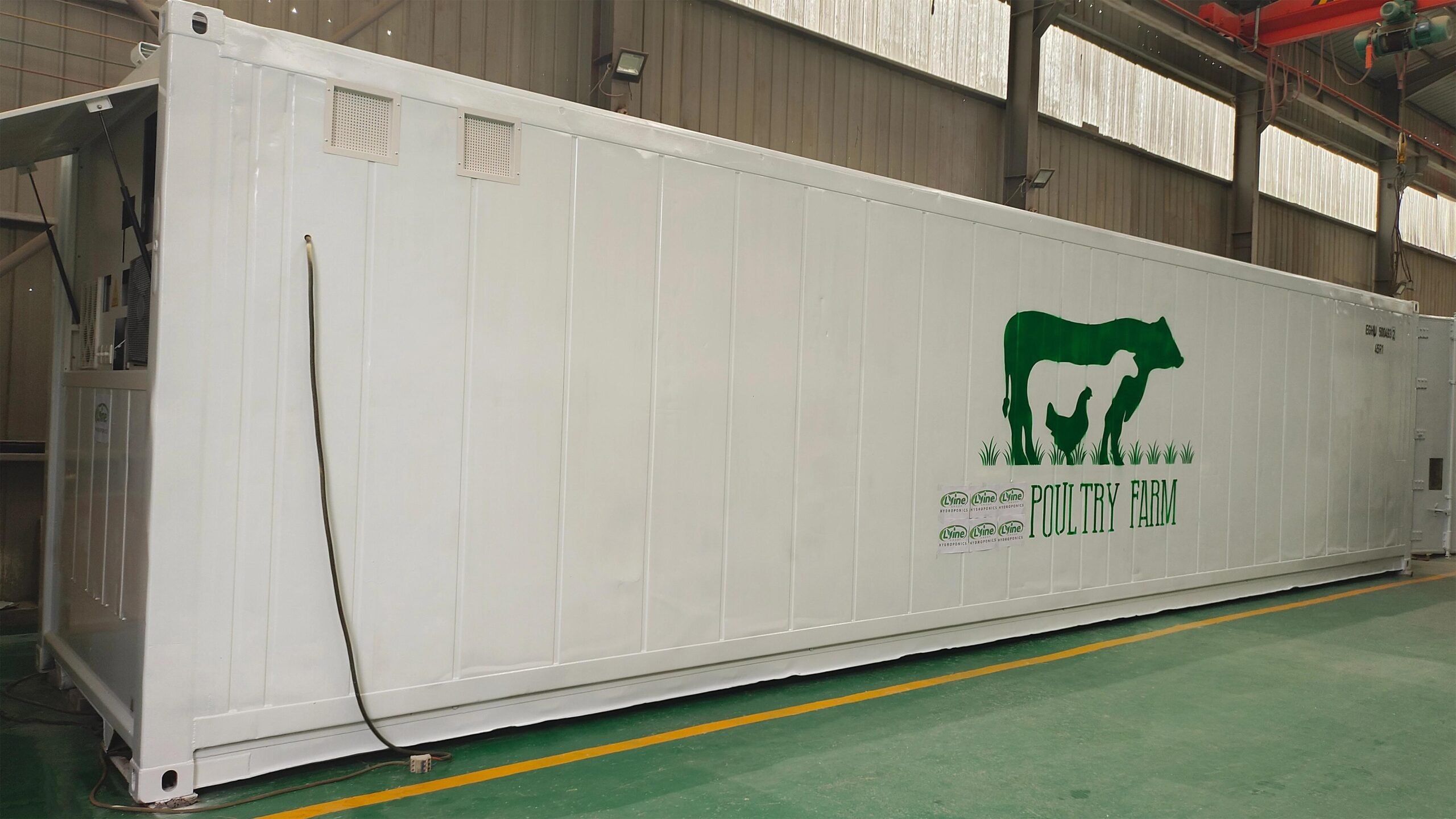
Commercial buyers typically prioritize equipment durability and operational reliability. High-quality forage container systems are designed using reinforced steel structures, insulated wall panels, corrosion-resistant materials, and stable environmental control equipment.
These durable structures support long-term continuous production while reducing maintenance requirements.
Scalability is another major advantage. Modular container systems allow farms to gradually expand feed production capacity according to livestock growth and market demand.
A Smarter Future for Sustainable Feed Cultivation
As agricultural industries continue moving toward sustainable production models, controlled forage cultivation is becoming an increasingly practical solution for modern livestock businesses.
Forage Container Growing Systems provide growers with stable feed production, reduced environmental dependence, improved water efficiency, and stronger operational flexibility.
For farms seeking long-term sustainability and reliable feed supply, container-based forage cultivation offers a highly efficient modern farming solution.
Related Reading: lighting management systems
Contact Us
📧 Email: arno@goodgrowingtech.com
🌐 Website: www.goodgrowingtech.com
📱 WhatsApp: +86 18056416155
🏢 Good Growing Tech – Professional Indoor Farming Solutions