Hydroponic farming is transforming modern agriculture by enabling plants to grow without soil, using nutrient-rich water solutions instead.
As demand for sustainable food production increases, more growers are investing in efficient hydroponic systems for indoor and commercial farming.
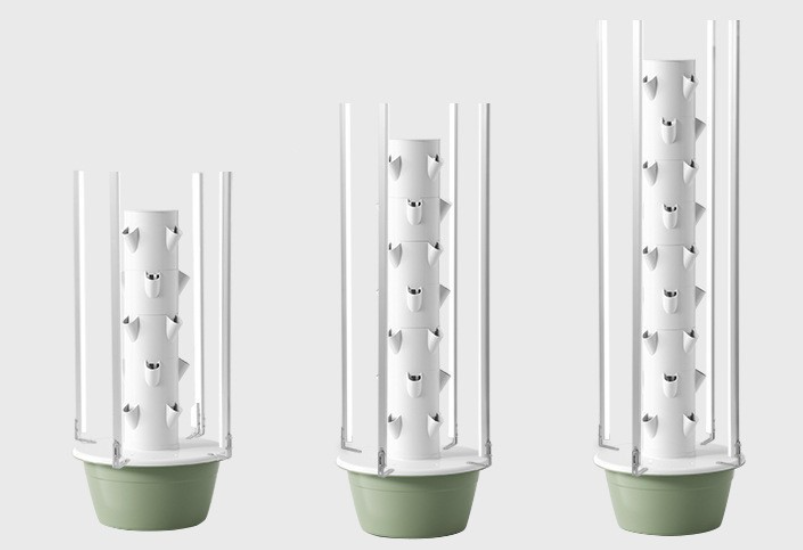
High-Performance Vertical Hydroponics:
Maximizing spatial efficiency to deliver record-breaking yields in commercial indoor environments.
But not all systems are the same. Choosing the right setup determines your productivity, cost, and long-term success.
1. What Is a Hydroponic System?
A hydroponic system is a method of growing plants using water-based nutrient delivery instead of soil.
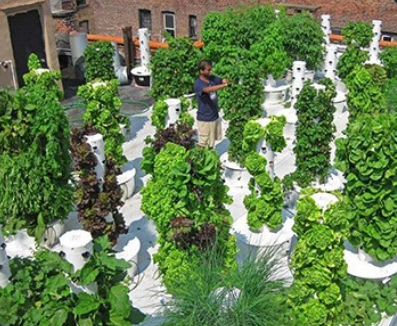
Precision Nutrient Delivery:
Ensuring every plant receives the exact balance of minerals through automated hydroponic NFT systems.
Plants receive:
- Water
- Oxygen
- Nutrients (NPK and trace elements)
This allows faster growth and more controlled farming conditions.
2. Main Types of Hydroponic Systems
🔹 Deep Water Culture (DWC)
- Plants suspended in nutrient solution
- Simple and low-cost
- Great for beginners
🔹 NFT (Nutrient Film Technique)
- Continuous flow of nutrient water
- Highly efficient oxygen delivery
- Common in commercial farming
🔹 Drip System
- Controlled drip feeding to each plant
- Suitable for large-scale production
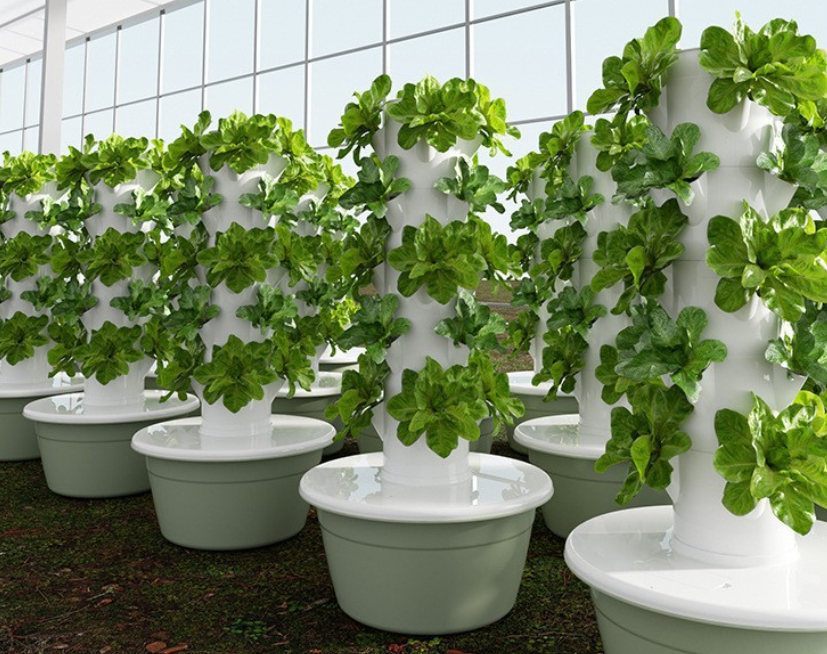
Soil-Free Purity:
Cultivating cleaner, faster-growing produce without the risks of soil-borne pathogens or heavy metal contamination.
🔹 Vertical Hydroponic Systems
- Multi-layer farming structure
- Maximizes space efficiency
- Ideal for urban agriculture
3. Advantages of Hydroponic Farming
Using a modern hydroponic system provides:
- Up to 30–50% faster plant growth
- 90% less water usage compared to soil farming
- Higher yield per square meter
- Year-round production control
- Reduced pest and disease risk
This makes it especially attractive for commercial growers.
4. How to Choose the Right System
When selecting a hydroponic solution, consider:
Crop Type
Leafy greens, herbs, strawberries all require different setups.
Space Availability
Vertical systems are better for limited space.
Budget Scale
Small systems for testing vs industrial-scale production.
Automation Level
Some systems include pumps, timers, and sensors.
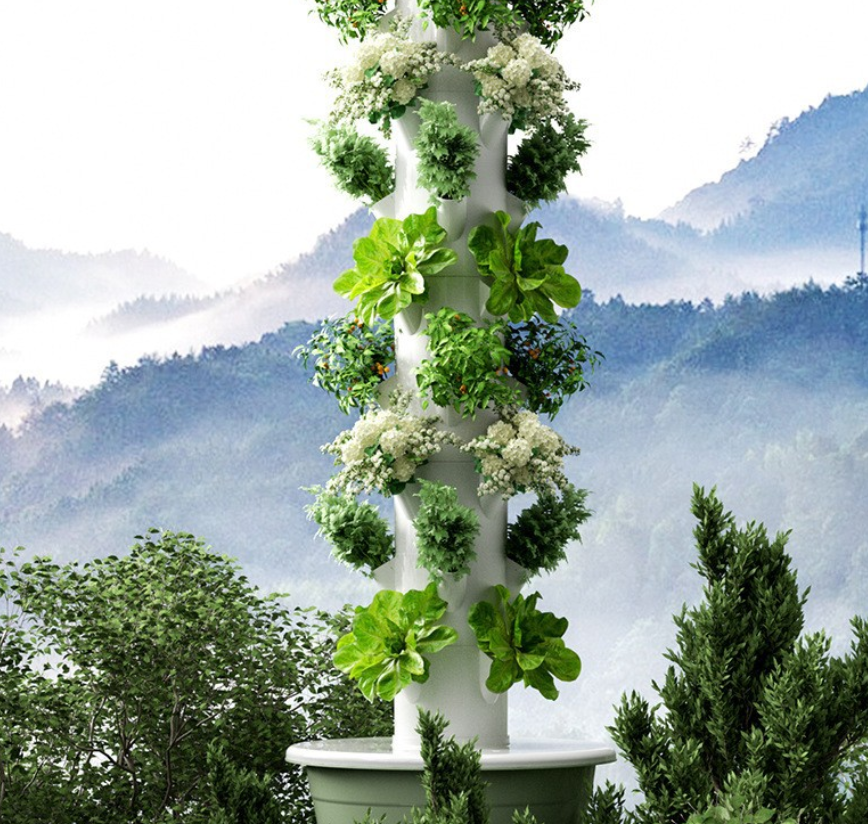
Sturdy and Durable Construction:
Engineered from food-grade plastic raw materials to ensure long-term structural integrity and crop safety.
5. Integration With Grow Tents or Greenhouses
Hydroponic systems work best when combined with:
- Grow tents for controlled environments
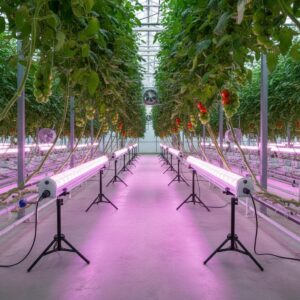
- LED grow lights for consistent lighting
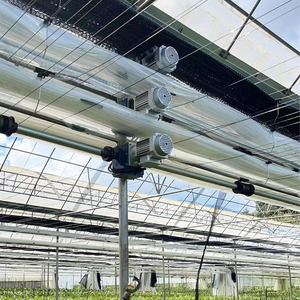
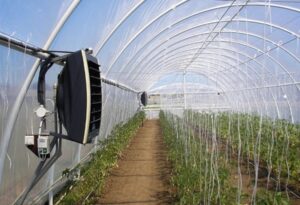
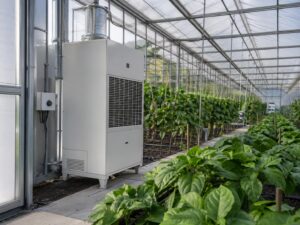
- Ventilation systems for humidity control
This combination creates a fully controlled indoor farming ecosystem.
Conclusion
Hydroponic farming is no longer a niche method—it is becoming the future of agriculture.
Choosing the right hydroponic system helps you maximize yield, reduce waste, and scale production efficiently.
Whether you are a beginner grower or a commercial operator, investing in the right system is the foundation of long-term success.
FAQs:
What is a hydroponic system and how does it work?
A hydroponic system is a soil-free growing method where plants receive nutrients directly from water solutions. This allows more precise control over growth conditions, resulting in faster growth rates and higher yields compared to traditional soil farming.
What are the most common types of hydroponic systems?
The most common systems include Deep Water Culture (DWC), NFT (Nutrient Film Technique), drip systems, and vertical hydroponic systems. Each system has different advantages depending on crop type, space, and production scale.
Is hydroponic farming suitable for commercial use?
Yes, hydroponic systems are widely used in commercial agriculture. They allow year-round production, higher yield per square meter, and reduced water consumption, making them ideal for indoor farming businesses and urban agriculture projects.
What crops can be grown using hydroponic systems?
Hydroponic systems are especially suitable for leafy greens such as lettuce, spinach, basil, and herbs. They can also support strawberries, tomatoes, and other fruiting crops depending on system design and nutrient management.
Do hydroponic systems need additional equipment?
Yes. For optimal performance, hydroponic systems are often combined with grow lights, ventilation systems, and sometimes grow tents or greenhouse structures. These components help maintain stable temperature, humidity, and lighting conditions.
Contact Our Greenhouse Engineering Team
Ready to optimize your production? Contact goodgrowing for professional B2B wholesale pricing and facility layout consultations.
- 👤 Contact: Global Project Department
- 🌐 Website: https://www.goodgrowingtech.com/
- 📧 Direct Email: info@agghemp.com
- 📱 WhatsApp/WeChat: +86-18056416155
- ✅ Response: All technical inquiries are addressed within 12–24 hours.