Greenhouse Shade System: Commercial Solutions for Light and Temperature Management
A well-designed greenhouse shade system helps growers manage incoming sunlight, reduce excessive solar heat, and create a more suitable environment for crops. In commercial greenhouses, strong sunlight can increase indoor temperatures quickly, particularly during summer or in regions with high solar radiation. Without appropriate shading, plants may experience heat stress, uneven growth, or excessive water demand.
Choosing a shading solution involves more than selecting a screen with a particular shading percentage. Growers also need to consider crop requirements, greenhouse structure, ventilation capacity, local climate, and whether the system should operate manually or automatically.
Good Growing Tech provides greenhouse equipment and integrated growing solutions for commercial agricultural projects. Depending on the greenhouse design and production goals, a shading system can be planned as a standalone installation or coordinated with ventilation, cooling, irrigation, and climate control equipment.
1. What Is a Greenhouse Shade System?
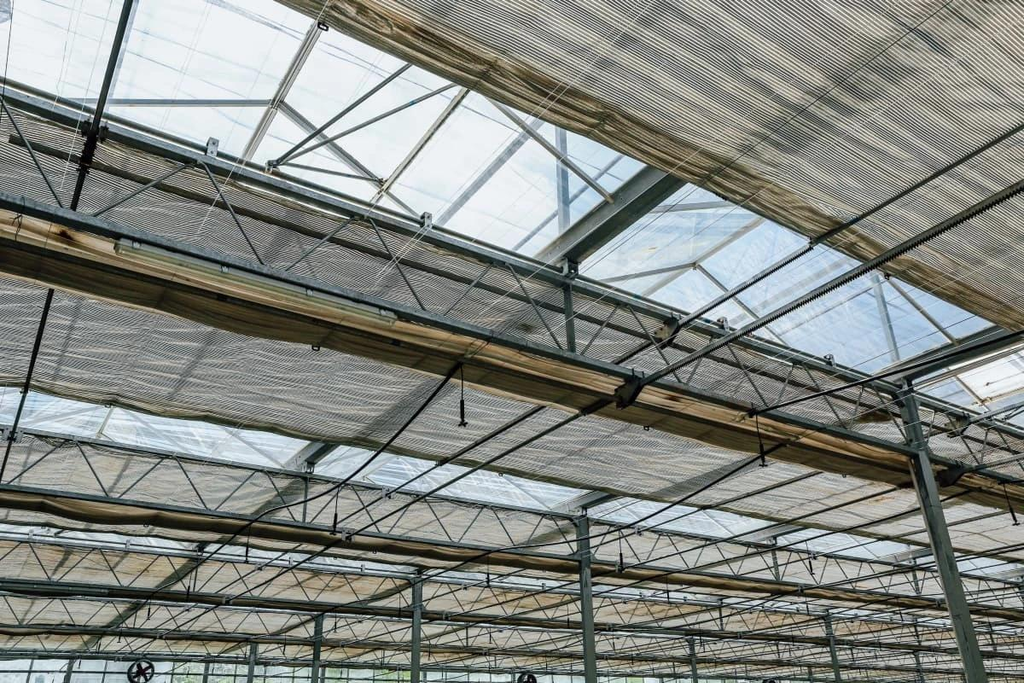
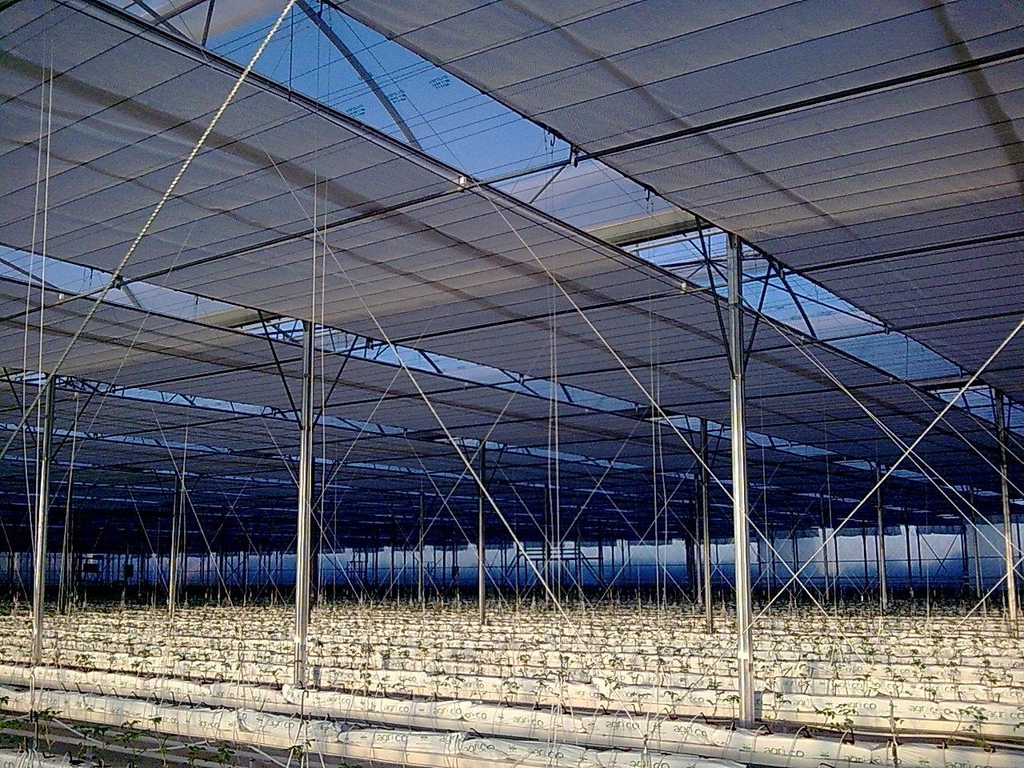
A greenhouse shade system is an arrangement of screens, supporting structures, and operating mechanisms designed to regulate the amount of sunlight entering a greenhouse. It may use internal shade curtains, external shading nets, or a combination of both.
The main purpose is to help growers manage solar radiation while maintaining conditions appropriate for their crops. Different crops require different light levels, so the best configuration depends on the growing environment rather than one universal specification.
Common applications include:
- Commercial vegetable greenhouses growing tomatoes, cucumbers, peppers, and leafy greens.
- Flower and ornamental plant production facilities.
- Nurseries and propagation greenhouses.
- Hydroponic growing facilities that require consistent environmental conditions.
- Research greenhouses with specific light-management requirements.
A properly selected system can support more stable growing conditions, but shading should be planned alongside ventilation and cooling. A shade screen alone cannot guarantee a particular indoor temperature.
2. Internal vs. External Greenhouse Shading
The first major purchasing decision is whether to install the shading material inside or outside the greenhouse. Each option has different installation requirements and operating characteristics.
Internal shade screen
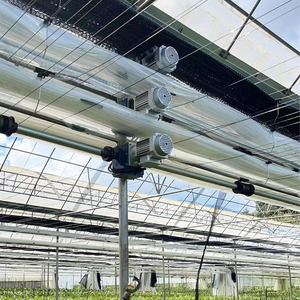
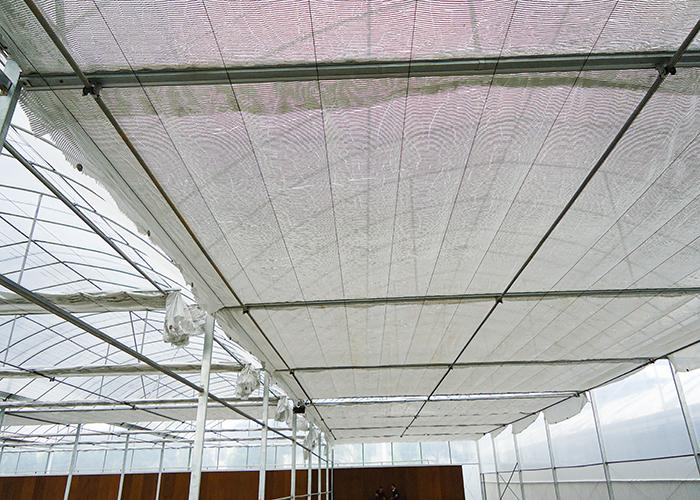
An internal system is installed beneath the greenhouse roof. Retractable curtains move along supporting wires or rails, allowing growers to adjust the shaded area as sunlight changes.
Typical advantages include easier access for inspection, protection of the screen from direct outdoor exposure, and convenient integration with automated greenhouse controls. Internal shading is often considered when growers want to manage light while coordinating other indoor systems.
However, solar energy that passes through the greenhouse covering can already have entered the structure before being intercepted by an internal screen. The amount of heat retained depends on the covering, screen properties, ventilation, and overall greenhouse design.
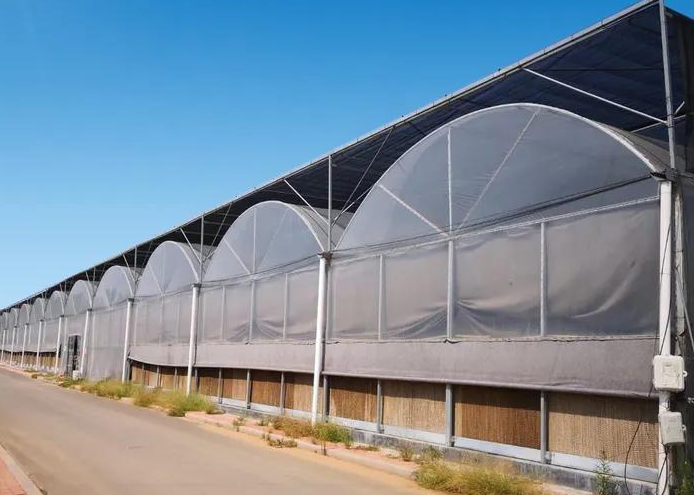
External shade net
External shading is installed above or outside the greenhouse covering. Because it intercepts some sunlight before it enters the greenhouse, it can be useful in locations where reducing solar heat gain is a priority.
External systems require suitable mounting arrangements and must be designed for local wind conditions. Access for maintenance, screen retraction, drainage, and structural loading should all be considered during project planning.
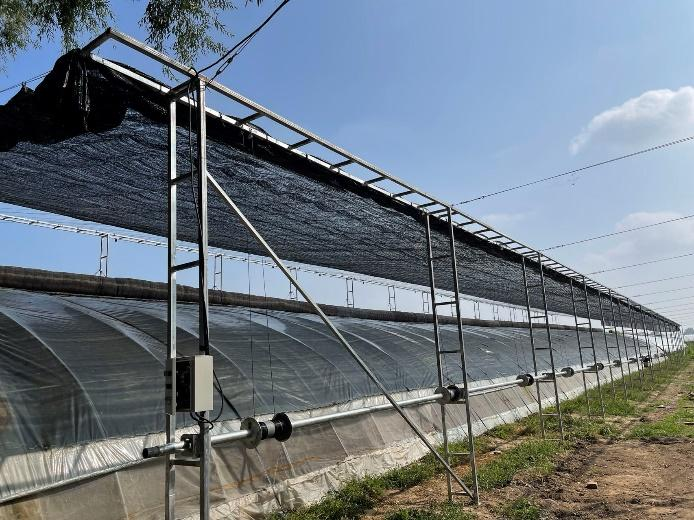
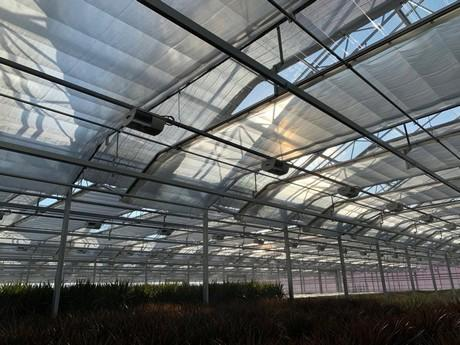
| Comparison | Internal shading | External shading |
|---|---|---|
| Installation position | Under the greenhouse roof | Outside or above the greenhouse |
| Main purpose | Light management and partial solar control | Intercepting sunlight before it enters |
| Weather exposure | Generally more protected | Exposed to outdoor conditions |
| Structural requirements | Internal rails, wires, and supports | External supports and suitable anchoring |
| Automation | Manual or motorized | Manual or motorized, depending on design |
| Best choice | Depends on greenhouse layout and operating goals | Depends on climate, structure, and heat-management needs |
For many commercial projects, the decision should be based on the complete growing environment rather than screen price alone.
3. How to Choose the Right Greenhouse Shading Material
The shading material affects light transmission, durability, ventilation, and the way the system operates. Before requesting a quotation, growers should identify the crop’s light requirements and the environmental conditions the screen must handle.
Woven and knitted shade nets
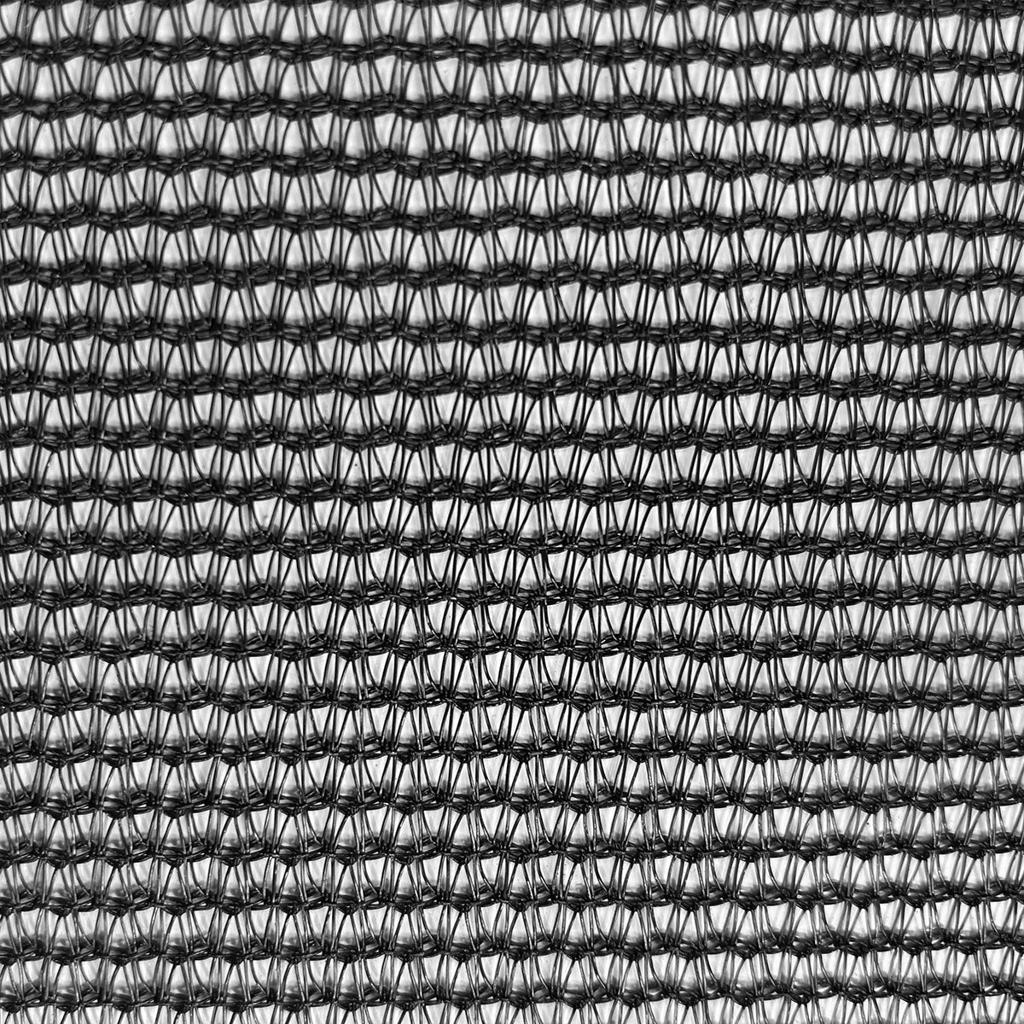
Shade nets are commonly used in nurseries, plant propagation areas, and greenhouses that need flexible shading. They are available in different colors, densities, and shading levels, depending on the product.
Black shade nets are widely used for reducing incoming light, while other colors may be selected for specific horticultural or site requirements. The actual effect on light quality and temperature depends on the material and installation.
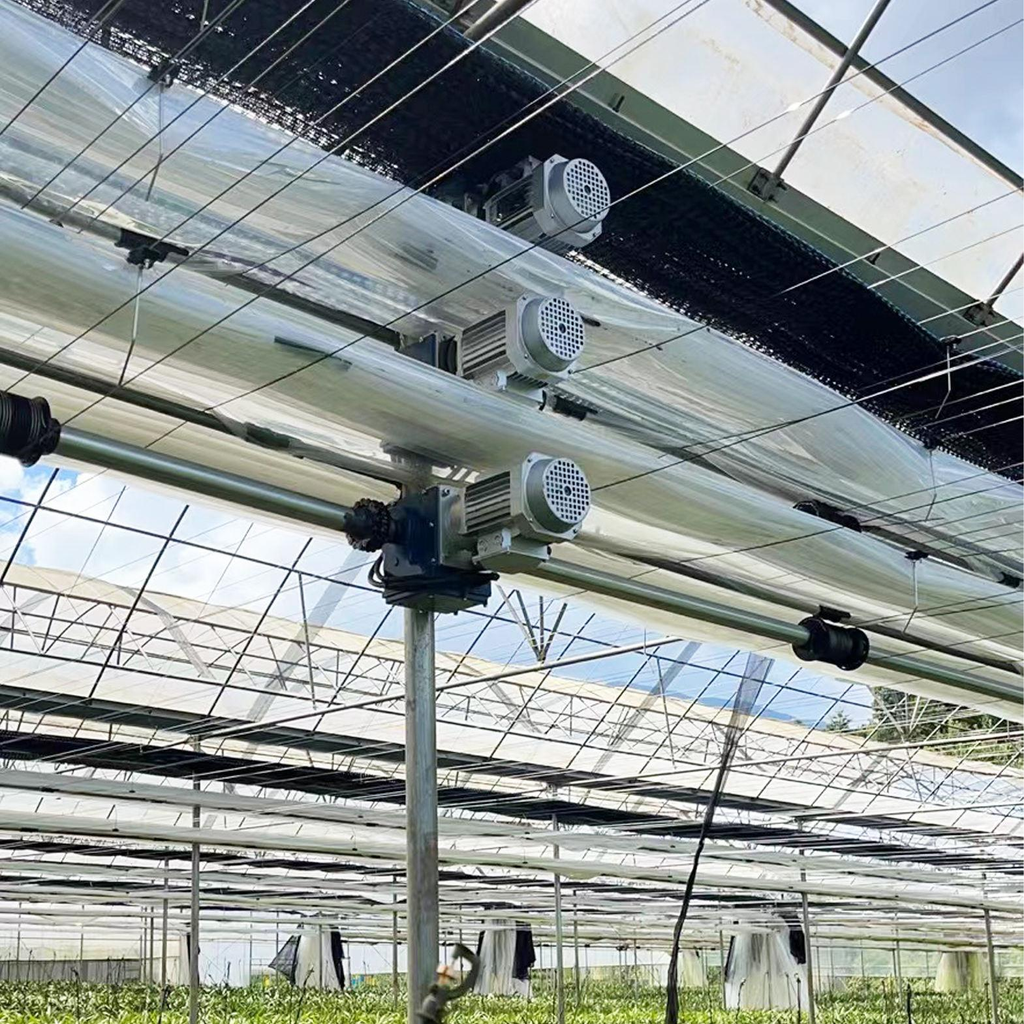
Retractable greenhouse shade curtains
Retractable curtains are suitable for greenhouse projects that require adjustable shading. The screen can be opened when more natural light is needed and closed when solar radiation becomes excessive.
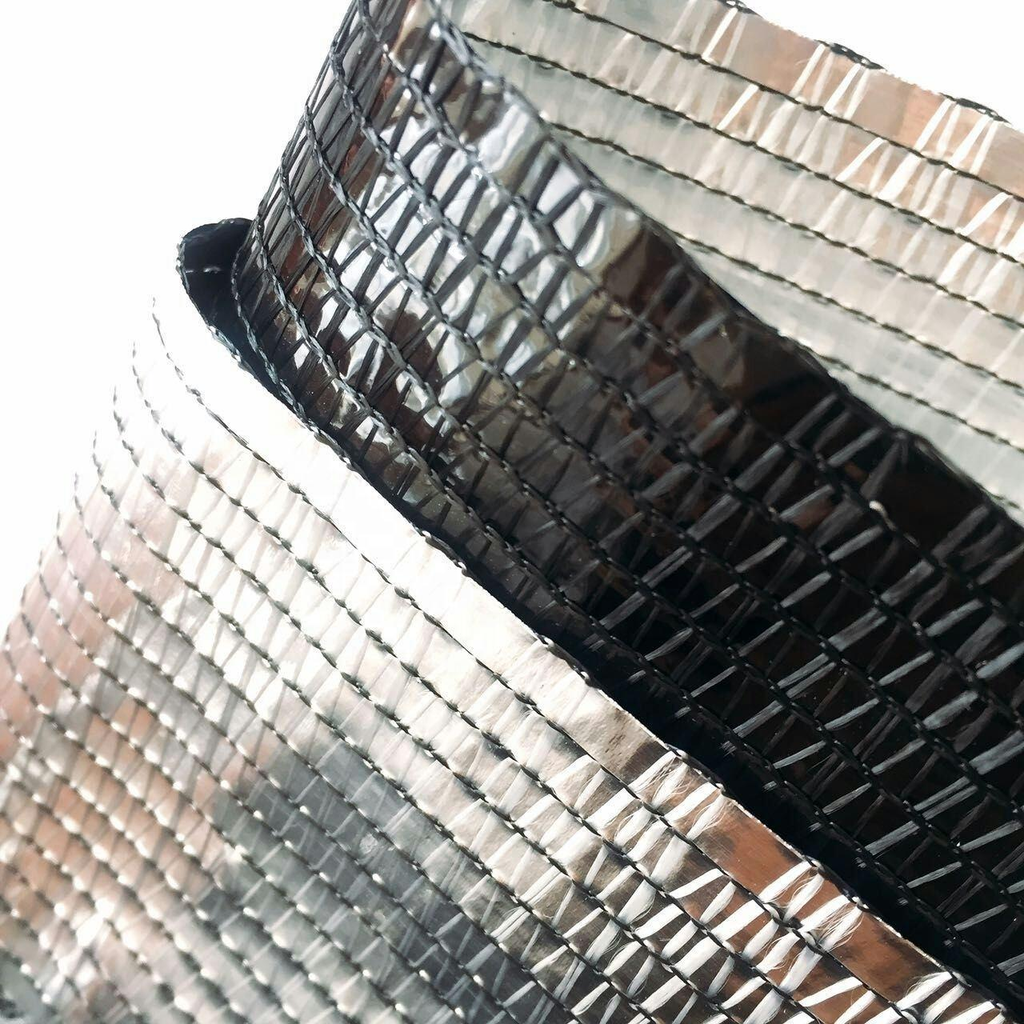
Some systems use energy-saving or reflective materials. These may be considered when growers want to manage both light transmission and heat movement, although actual performance varies by screen construction and greenhouse conditions.
What shading percentage should you choose?
Shading percentage describes the proportion of incoming light blocked by a material under specified testing conditions. It should not be treated as a direct measurement of how many degrees the greenhouse temperature will fall.
- Lower shading levels: May suit crops that need abundant natural light but benefit from limited solar control.
- Medium shading levels: May offer a balance between light availability and shading for some commercial crops.
- Higher shading levels: May be appropriate for shade-loving plants, propagation areas, or specialized production requirements.
These are general selection categories, not fixed recommendations for every crop. Ask the supplier for product-specific shading and light-transmission data, and confirm whether the values refer to the material alone or the installed system.
4. Automated Greenhouse Shading and Climate Control
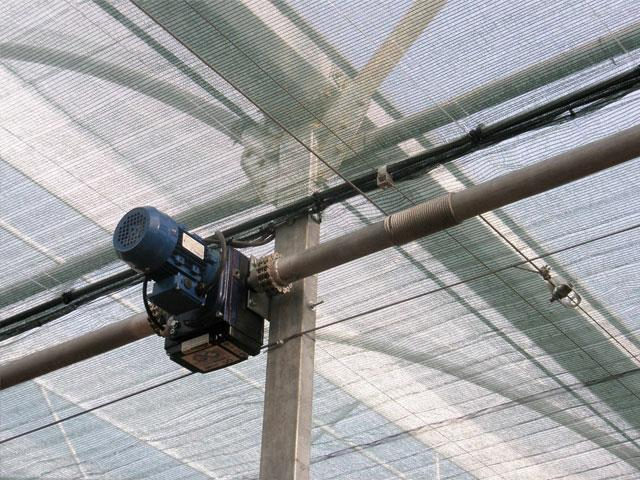
For commercial operations, motorized shading can make daily greenhouse management easier. Instead of adjusting screens manually, growers can use electric motors and a controller to open or close curtains according to operating schedules or environmental readings.
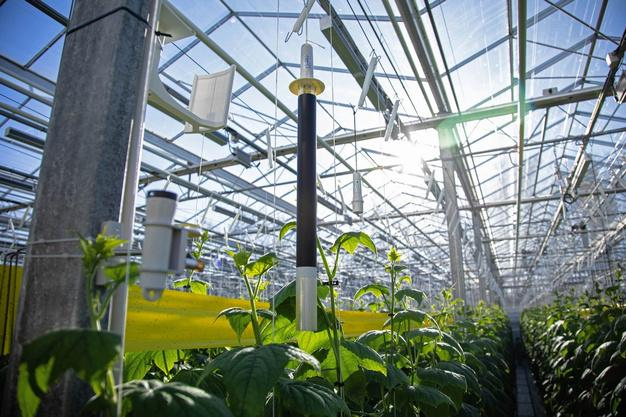
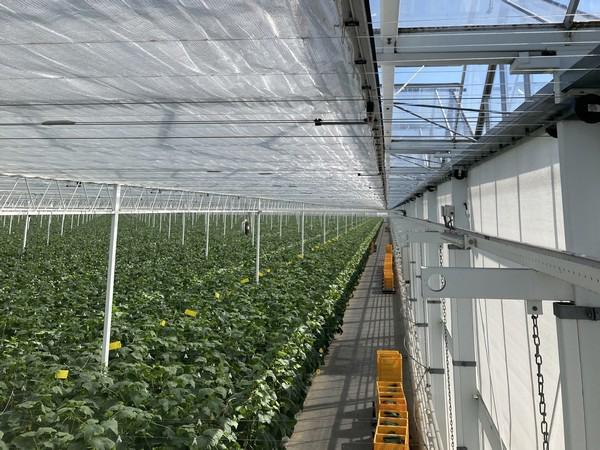
A typical automated shading arrangement may include:
- Shade screen: The selected shading fabric or curtain.
- Support structure: Wires, rails, brackets, and related mounting hardware.
- Drive mechanism: A motor and transmission system appropriate for the screen layout.
- Controller: Manual controls, timers, or a programmable greenhouse controller.
- Environmental sensors: Optional light, temperature, or other sensors for automated responses.
The system can be coordinated with roof vents, exhaust fans, cooling pads, heating equipment, and other greenhouse controls. For example, a controller may use light and temperature readings to adjust shading while ventilation operates according to separate settings.
The control strategy needs to account for crop requirements and equipment limitations. Closing every screen whenever the temperature rises is not always the best approach: some crops need high light levels, and excessive shading can limit photosynthesis. Growers should establish suitable operating thresholds and provide manual override options where appropriate.
5. Greenhouse Shade System Specifications
The following table provides a starting point for discussing project requirements with a supplier. Final specifications should be confirmed against greenhouse drawings, crop needs, and site conditions.
| Parameter | Typical options or considerations |
|---|---|
| System type | Internal curtain, external shade net, combined system |
| Shading material | Knitted net, woven fabric, reflective curtain, energy-saving screen |
| Shading level | Customized according to crop and light requirements |
| Installation area | Roof, sidewall, or designated growing zone |
| Operation | Manual or motorized |
| Drive system | Motor, gearbox, transmission, rails or wire arrangement |
| Control method | Manual switch, timer, programmable controller |
| Sensors | Optional light, temperature, or other environmental sensors |
| Greenhouse compatibility | Confirm structure, dimensions, and mounting points |
| Weather requirements | Wind exposure, drainage, and external loading where applicable |
| Integration | Optional ventilation and climate control coordination |
| Project configuration | Customized according to drawings and site conditions |
When comparing quotations, ask suppliers to identify included components, installation responsibilities, control functions, and any items that must be purchased separately. A low initial price may not include motors, controllers, support wires, or electrical work.
6. How to Select a Shading System for Your Greenhouse
A reliable purchasing decision starts with the growing project rather than the equipment catalogue.
First, identify the crop and growing stage. Seedlings, leafy vegetables, fruiting crops, and ornamental plants can have very different light requirements. Confirm whether shading is needed throughout the growing cycle or only during particular seasons.
Second, review the greenhouse structure. Roof height, span, frame type, roof vents, and existing equipment affect the installation design. External systems need particular attention to support and anchoring arrangements.
Third, consider local weather conditions. Strong sunlight, high winds, heavy rainfall, and seasonal temperature changes can influence material selection and operating methods. Outdoor screens should be designed for the site’s actual conditions.
Fourth, determine the required level of automation. Smaller greenhouses may work well with simple manual operation. Larger commercial facilities may benefit from motorized curtains and centralized control, especially where multiple growing zones have different requirements.
Finally, request a project-specific configuration. Provide greenhouse dimensions, crop type, location, preferred shading level, and any existing ventilation or cooling equipment. These details help the supplier evaluate compatibility and prepare a more useful quotation.
7. Common Mistakes When Buying a Greenhouse Shade System
Avoiding a few common purchasing mistakes can save time during installation and operation.
- Choosing by shading percentage alone. A screen that blocks too much light may be unsuitable for light-demanding crops.
- Ignoring ventilation. Shading and ventilation should be planned together, particularly in hot climates.
- Overlooking structural compatibility. Curtain loads, mounting points, and motor arrangements must suit the greenhouse.
- Buying an automated system without a control plan. Motors and sensors are useful only when the operating logic reflects actual crop requirements.
- Not checking replacement options. Ask whether screen materials, drive components, and other wearing parts can be replaced individually.
- Leaving installation details until delivery. Confirm dimensions, wiring, supports, access for maintenance, and installation responsibilities before production begins.
A clear technical specification helps buyers compare suppliers on a like-for-like basis and reduces the risk of missing components or incompatible equipment.
8. Greenhouse Shading Solutions from Good Growing Tech
Good Growing Tech provides greenhouse equipment and integrated growing solutions for commercial agricultural projects. A shading project may be developed alongside greenhouse structures, ventilation equipment, cooling systems, irrigation, fertigation, and environmental controls.
For wholesalers, greenhouse contractors, distributors, and commercial growers, the configuration can be discussed according to the project scale, target crops, local climate, and installation requirements.
To help prepare a suitable proposal, share:
- Greenhouse dimensions or structural drawings.
- Project location and typical seasonal conditions.
- Crop type and preferred shading requirements.
- Internal or external installation preference.
- Manual or automatic operating requirements.
- Existing ventilation, cooling, and climate control equipment.
This information gives the supplier a more practical basis for recommending compatible components and preparing a quotation.
FAQs:
1. What is the best greenhouse shade system?
There is no single best option for every greenhouse. Internal curtains are often considered for adjustable light management, while external shading can intercept sunlight before it enters the greenhouse. Crop requirements, local climate, structural design, and budget determine the most suitable choice.
2. Does a greenhouse shade system reduce temperature?
It can help reduce solar heat gain, particularly when the material and installation are designed for that purpose. However, the actual temperature change depends on sunlight, ventilation, humidity, greenhouse covering, and other environmental conditions.
3. Can greenhouse shading be automated?
Yes. Motorized screens can be connected to timers, controllers, and optional environmental sensors. The control logic can be customized to coordinate shading with ventilation and other equipment.
4. How do I choose the correct shading percentage?
Start with the crop’s light requirements and growing stage. Then compare the screen’s shading and light-transmission data. If the project includes several crops or growing zones, different shading arrangements may be needed.
5. Can shading curtains be installed in an existing greenhouse?
In many cases, yes, but feasibility depends on the structure, available mounting points, roof layout, and space for the drive system. Existing drawings and site measurements should be reviewed before ordering.
6. Can a shading system work with cooling pads and exhaust fans?
Yes. Shading can form part of an integrated climate management strategy. The systems should be configured together so that light reduction, ventilation, and cooling support the crop’s requirements.
Conclusion
A well-planned greenhouse shade system helps commercial growers manage sunlight and support more consistent growing conditions. The right choice depends on the crop, greenhouse structure, local climate, screen material, and level of automation required.
Before purchasing, compare technical specifications, confirm structural compatibility, and consider how the shading system will work with ventilation and cooling equipment. For larger projects, a customized configuration is generally more useful than selecting a screen based on shading percentage alone.
Contact Good Growing Tech for greenhouse equipment and customized growing solutions.
- Email: arno@goodgrowingtech.com
- Website: www.goodgrowingtech.com
- WhatsApp: +86 18056416155