Why a Hemp Container Farming System Is Transforming Commercial Cultivation
The global hemp industry is evolving rapidly. Commercial growers are no longer satisfied with simply increasing cultivation acreage—they are seeking smarter, more efficient ways to produce consistent, high-quality crops while reducing operational risks. As a result, the hemp container farming system has emerged as one of the most innovative solutions for modern indoor agriculture.
Unlike traditional greenhouses or open-field cultivation, a hemp container farming system creates a fully controlled environment where temperature, humidity, lighting, irrigation, airflow, and CO₂ levels can all be managed with precision. This level of environmental control helps growers produce healthier plants, improve yields, and maintain product consistency throughout the year.
Whether you are launching a new cultivation project or expanding an existing facility, container-based farming offers unmatched flexibility and scalability for commercial hemp production.
What Is a Hemp Container Farming System?
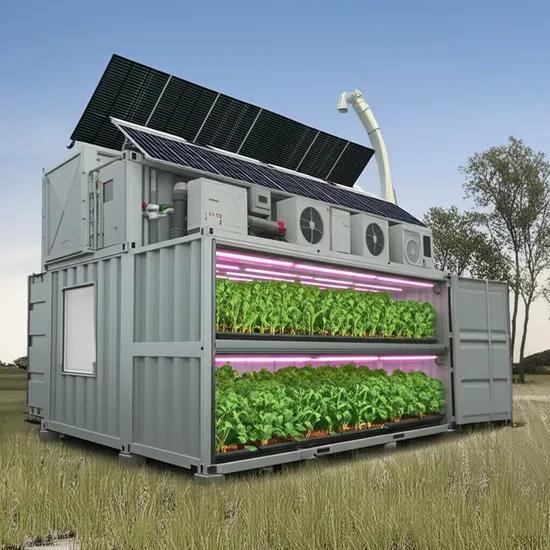
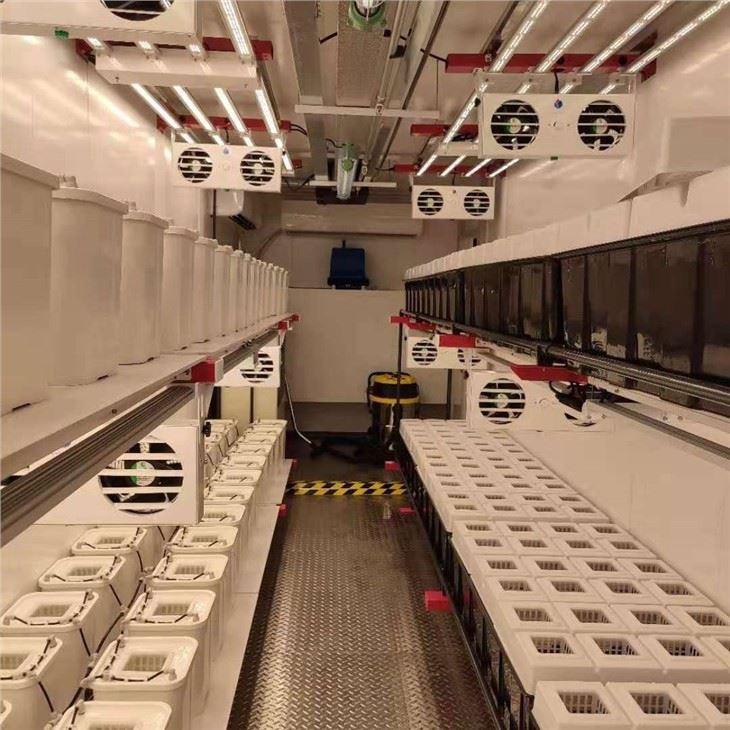
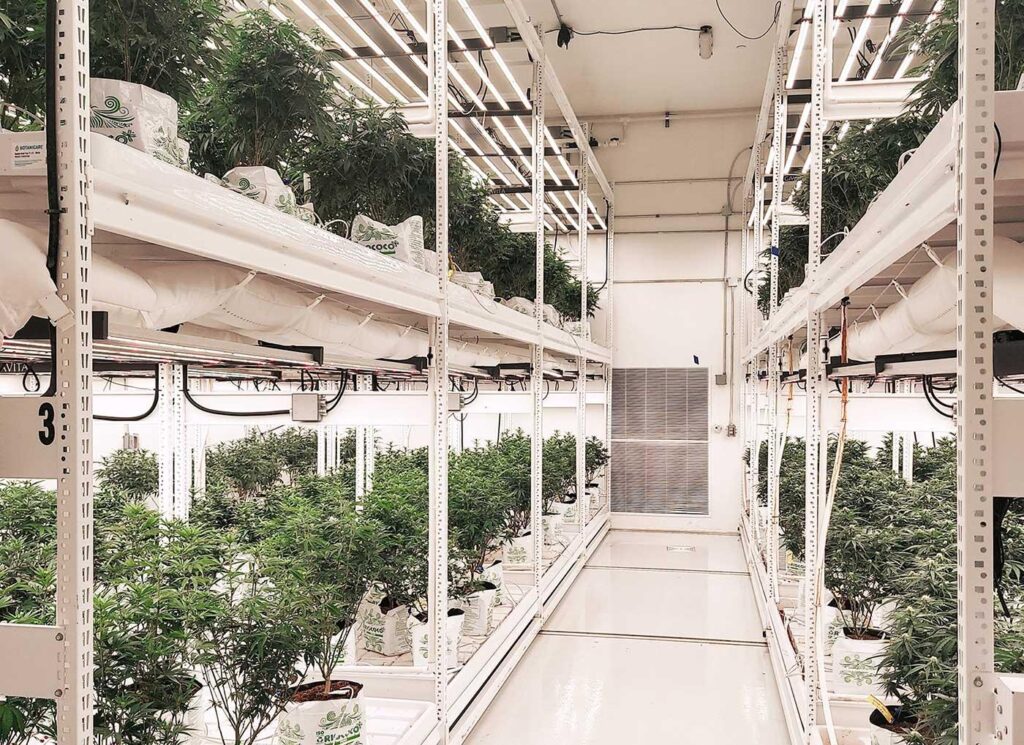
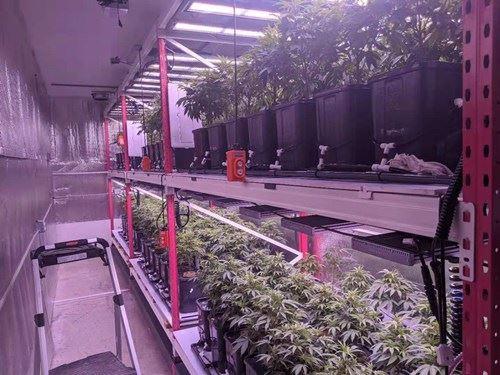
A hemp container farming system is a fully integrated indoor cultivation solution built inside a standard shipping container. Every component required for successful plant growth is incorporated into a compact, insulated structure, including:
- Full-spectrum LED grow lights
- HVAC air conditioning systems
- Automated irrigation
- Dehumidification and humidification systems
- CO₂ enrichment
- Environmental monitoring
- Intelligent control software
- Multi-layer cultivation racks
Unlike traditional cultivation facilities that require extensive building construction, container systems can be installed almost anywhere with access to electricity and water.
This makes them ideal for commercial farms, research facilities, urban agriculture projects, and remote cultivation sites.

Consistent Climate Means Consistent Harvests
Environmental fluctuations remain one of the biggest challenges in hemp cultivation. Outdoor weather changes can dramatically affect crop quality, cannabinoid development, and overall yield.
A professional hemp container farming system eliminates many of these uncertainties by maintaining stable growing conditions 24 hours a day.
Key environmental controls include:
- Precise temperature regulation
- Stable relative humidity
- Balanced air circulation
- Uniform light distribution
- Automated irrigation scheduling
These factors work together to support vigorous plant growth while reducing stress caused by changing environmental conditions.
Maximizing Production in Limited Space
Land costs continue to rise in many regions, making efficient space utilization increasingly important.
A hemp container farming system uses vertical cultivation technology to maximize production within a relatively small footprint.
Multi-layer growing racks allow growers to increase plant density while maintaining proper airflow and lighting uniformity.
Compared with conventional cultivation facilities, container farms provide:
- Better space utilization
- Lower construction costs
- Faster deployment
- Easier expansion
Additional production capacity can simply be achieved by adding more containers instead of constructing entirely new buildings.
Automation Reduces Labor Costs
Modern agriculture increasingly relies on intelligent automation to improve operational efficiency.
Today’s hemp container farming system can integrate:
- Smart irrigation controllers
- Automatic nutrient dosing
- Environmental sensors
- Remote monitoring
- Mobile app management
- Data logging systems
Operators receive real-time information about environmental conditions and can adjust settings remotely when necessary.
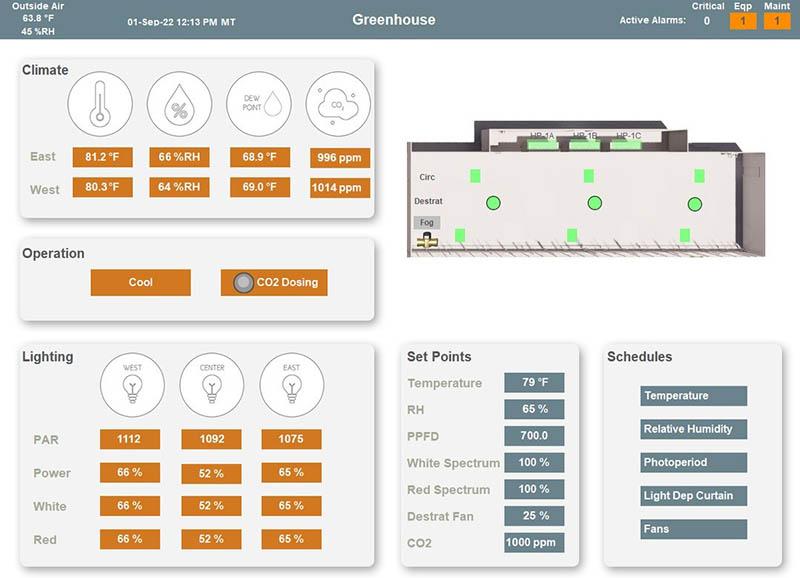
Automation also reduces repetitive manual tasks, allowing growers to focus more on crop management and business development.
Energy-Efficient Design for Sustainable Farming
Electricity is one of the largest operating expenses in indoor agriculture.
Modern hemp container farming systems are designed with energy efficiency in mind by combining:
- High-efficiency LED lighting
- Variable-speed HVAC equipment
- Intelligent environmental controls
- Insulated wall panels
- Optimized airflow design
These technologies help reduce unnecessary energy consumption while maintaining stable cultivation conditions.
Lower operating costs contribute directly to improved return on investment.
Applications Across Multiple Industries
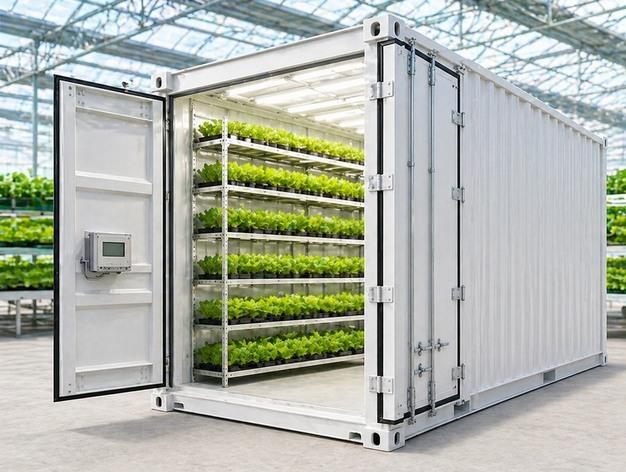
Although originally developed for commercial hemp production, container cultivation technology is now widely used across numerous agricultural sectors.
Typical applications include:
- Hemp cultivation
- Medical plant production
- Vegetable farming
- Seedling propagation
- Research laboratories
- Educational institutions
- Controlled breeding projects
This versatility makes container farming one of the fastest-growing sectors in controlled-environment agriculture.
Technical Specifications
| Item | Specification |
|---|---|
| Container Size | 20FT / 40FT ISO Container |
| Structure | Galvanized Steel |
| Lighting | Full Spectrum LED |
| Climate Control | Automatic HVAC |
| Irrigation | Drip / Hydroponic |
| Humidity Control | Integrated |
| Environmental Monitoring | PLC + Touch Screen |
| Power Supply | 220V / 380V |
| Expansion | Modular Design |
| Customization | Available |
Why Choose Good Growing Tech?
At Good Growing Tech, we design complete indoor cultivation solutions tailored to commercial growers.
Our services include:
- Customized container farm design
- Climate control engineering
- Irrigation integration
- LED lighting solutions
- Automation systems
- Installation guidance
- Technical support
- Global project delivery
Whether you need a single container or a multi-container cultivation facility, our engineering team can develop a solution based on your production goals and local climate conditions.
Contact Us
📧 Email: arno@goodgrowingtech.com
🌐 Website: www.goodgrowingtech.com
📱 WhatsApp: +86 18056416155
🏢 Good Growing Tech – Professional Container Farming & Indoor Agriculture Solutions
FAQs:
How many plants can a hemp container farming system accommodate?
Capacity depends on the container size and rack configuration. A customized multi-layer system can significantly increase growing capacity.
Can the system operate year-round?
Yes. Integrated HVAC, lighting, and environmental controls allow continuous production regardless of outdoor weather.
Is the system fully automated?
Most systems support automated irrigation, climate control, lighting schedules, and remote monitoring.
Can the container be customized?
Absolutely. Lighting, shelving, irrigation, ventilation, and electrical configurations can all be customized.
Is installation complicated?
No. The system is delivered largely pre-assembled, reducing on-site installation time.