Smart Greenhouse Climate Control for More Consistent Crop Production
A modern greenhouse is much more than a structure covered with glass or plastic. For commercial growers, the real value comes from the ability to create and maintain a stable growing environment.
Temperature, humidity, ventilation, light, irrigation, and air movement can all influence crop development. When these conditions change too quickly, plants may experience unnecessary stress, while inconsistent environmental management can increase labor costs and production risks.
A greenhouse climate control system brings these different functions together through sensors, controllers, and automated equipment. Instead of manually checking greenhouse conditions throughout the day, growers can use an integrated system to monitor environmental data and automatically operate connected equipment.
This approach is particularly valuable for large vegetable farms, flower producers, nurseries, hydroponic facilities, research greenhouses, and other commercial controlled-environment agriculture projects.

What Is a Greenhouse Climate Control System?
A greenhouse climate control system is an integrated technology platform used to monitor and regulate environmental conditions inside a greenhouse.
Depending on the project, the system can manage:
- Temperature
- Relative humidity
- Ventilation
- Cooling
- Heating
- Irrigation
- Shading
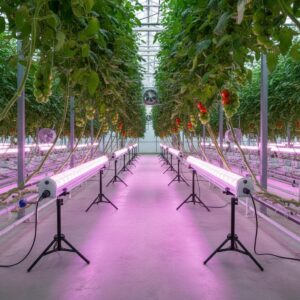
- Lighting
- Air circulation
- Carbon dioxide management
Sensors continuously collect environmental information and send it to a central controller.
When conditions move outside the selected range, the controller can activate the appropriate equipment.
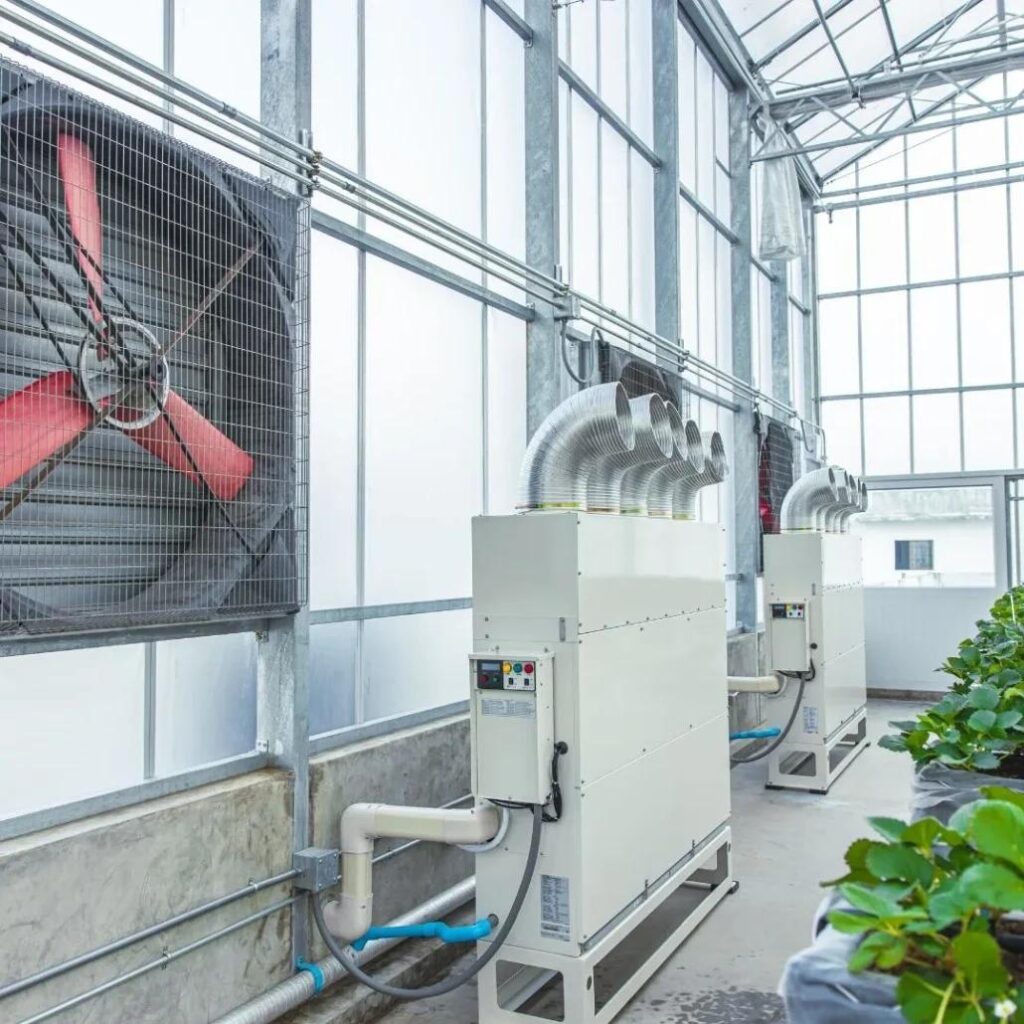
For example, when the internal temperature becomes too high, the system can automatically open ventilation windows, start exhaust fans, activate cooling pads, or adjust shading equipment.
This creates a more responsive growing environment while reducing the amount of manual intervention required from workers.
Why Climate Management Matters in Commercial Greenhouses
Plants respond directly to their surrounding environment.
A greenhouse that becomes excessively hot during the afternoon or remains too humid overnight may create problems that are difficult to correct later.
Poor environmental control can contribute to:
- Uneven crop development
- Reduced flowering
- Excessive plant stress
- Higher disease pressure
- Increased water consumption
- Lower production consistency
A properly designed greenhouse climate control system helps growers maintain more stable conditions throughout the cultivation cycle.
The objective is not simply to make the greenhouse warmer or cooler. The goal is to maintain conditions that match the requirements of the crop.
How Does Smart Greenhouse Climate Control Work?
An automated environmental management system normally operates through three stages.
1. Environmental Monitoring
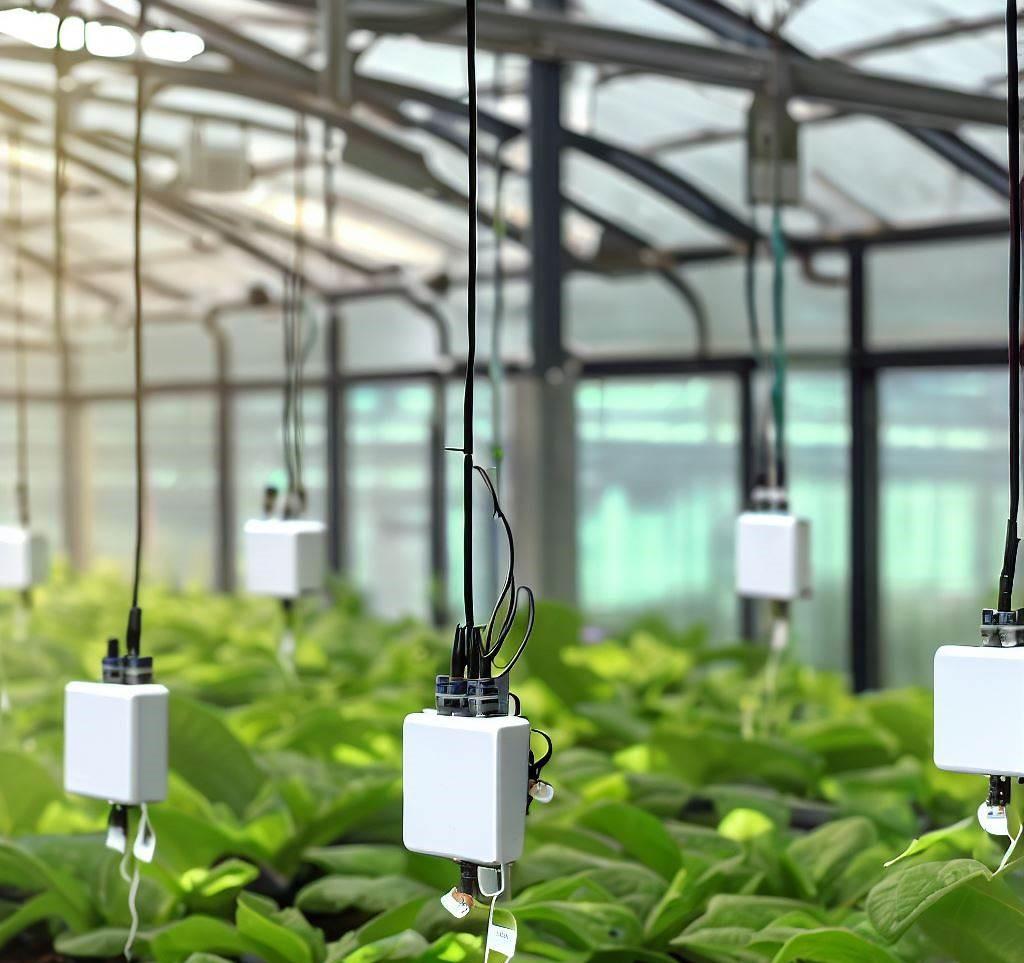
Sensors measure conditions inside the greenhouse.
Common sensors include:
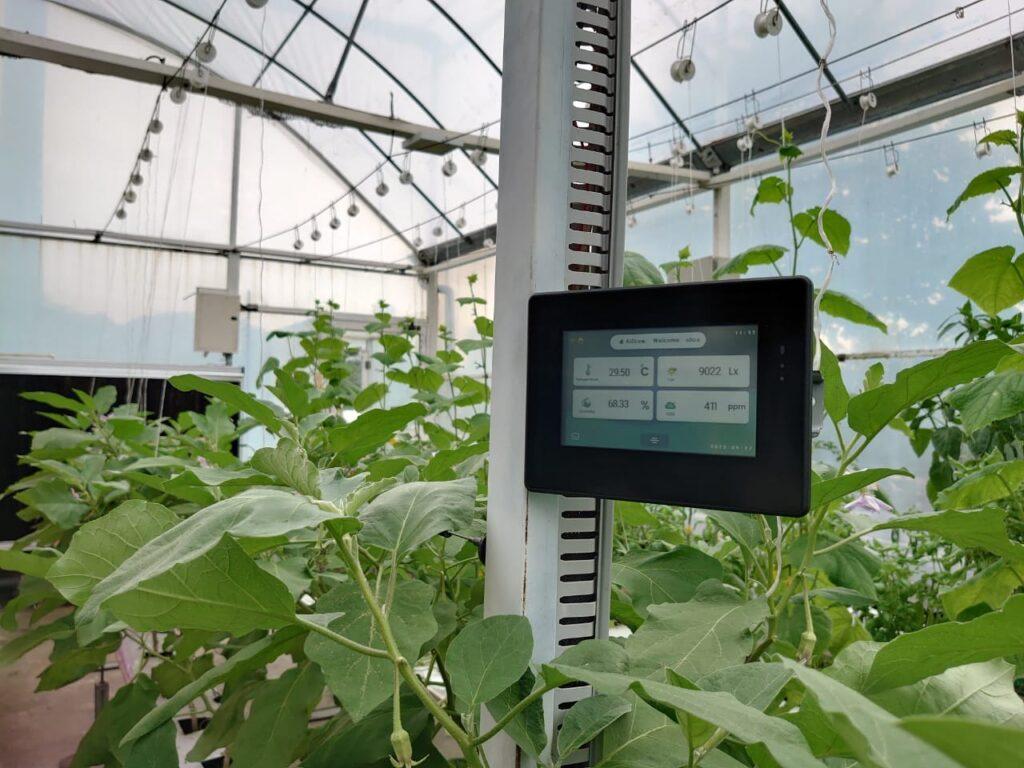
- Temperature sensors
- Humidity sensors
- Light sensors
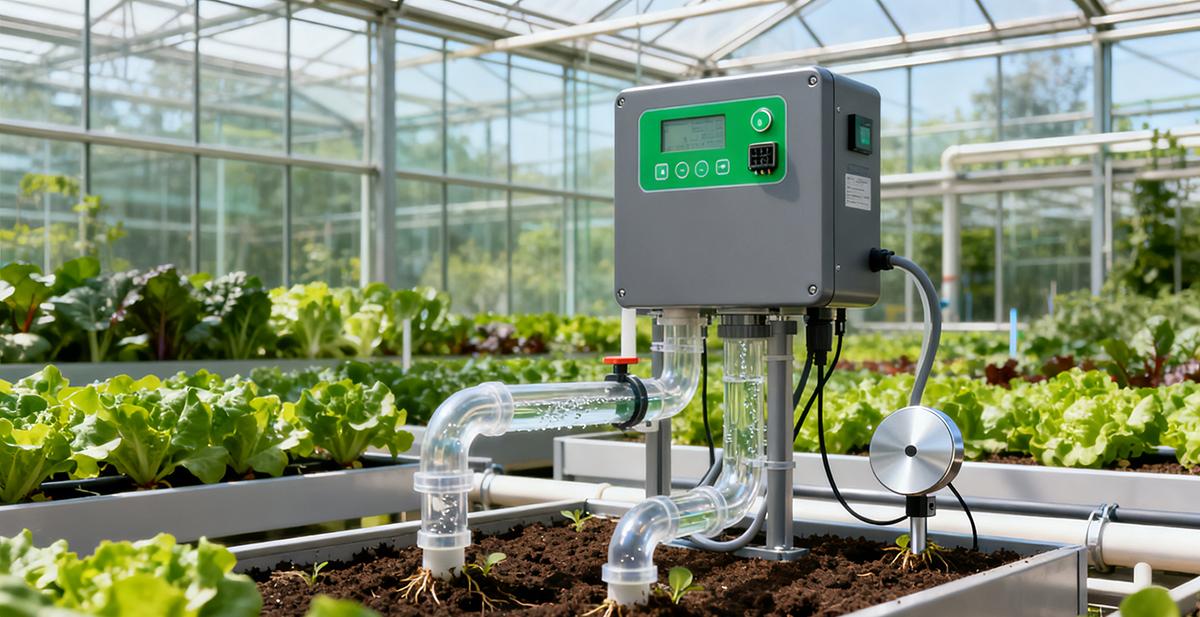
- Soil moisture sensors
- CO₂ sensors
- Wind sensors
The collected information is transmitted to the central controller.
2. Data Analysis
The controller compares real-time readings with predefined target values.
For example, the grower may establish a temperature range for a particular crop.
If the temperature exceeds the upper limit, the system can determine that cooling or ventilation is required.
3. Automatic Equipment Control
The controller sends commands to connected equipment.
Depending on the configuration, this can include:
- Exhaust fans
- Cooling pads
- Heating equipment
- Roof vents
- Side vents
- Shade screens
- Irrigation pumps
- Circulation fans
This creates an automated environmental management cycle.
Main Components of a Commercial Climate Control System
Temperature Sensors
Temperature monitoring is one of the most important functions.
Accurate measurements allow the system to respond before heat or cold becomes a serious problem.
Humidity Sensors
Humidity management is particularly important for dense crops and enclosed growing environments.
High humidity can increase disease pressure, while excessively dry conditions can increase plant water requirements.
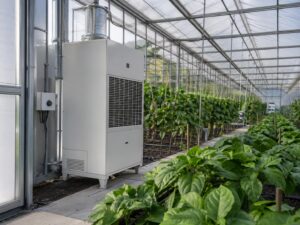
Exhaust Fans
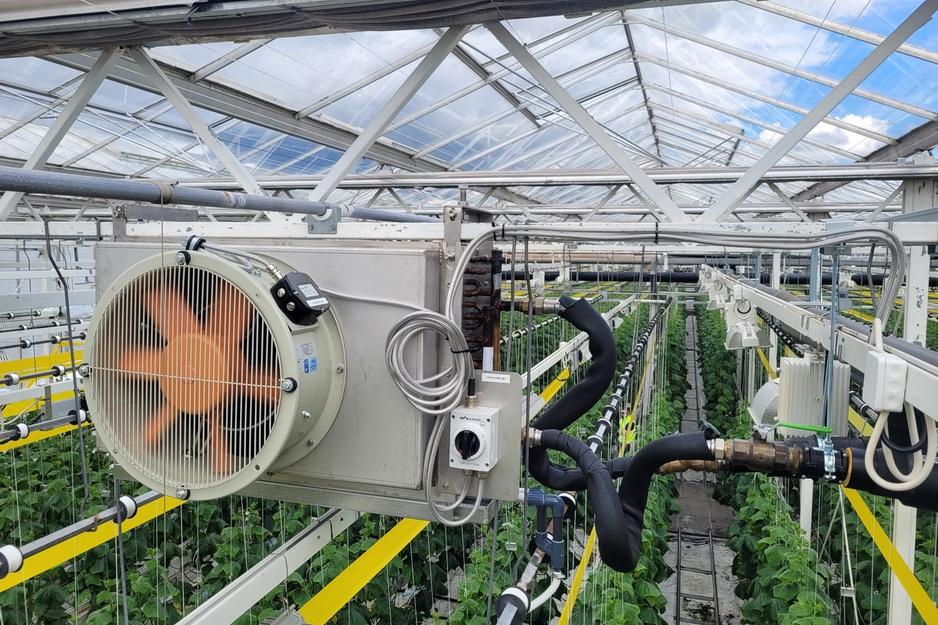
Exhaust fans remove hot and humid air from the greenhouse.
They can operate automatically according to temperature or humidity settings.
Cooling Pads
Evaporative cooling pads work together with exhaust fans to reduce incoming air temperature.
This combination is widely used in commercial greenhouse cooling.
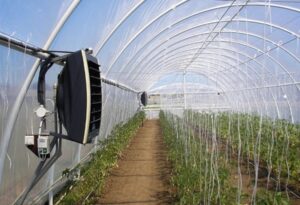
Heating Equipment
During colder periods, heating equipment can maintain suitable temperatures for sensitive crops.
Heating can also be automatically activated according to sensor readings.
Ventilation Windows
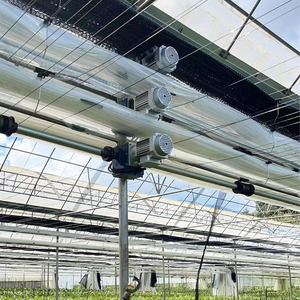
Roof and side ventilation systems provide natural airflow when external conditions are suitable.
Automated window motors allow the controller to adjust ventilation without continuous manual operation.
Smart Control for Irrigation and Fertigation
Environmental management does not need to stop with temperature and ventilation.
A modern system can also integrate irrigation.
For example, soil moisture sensors can provide information about the water condition around plant roots.
The controller can then operate irrigation equipment according to predefined parameters.
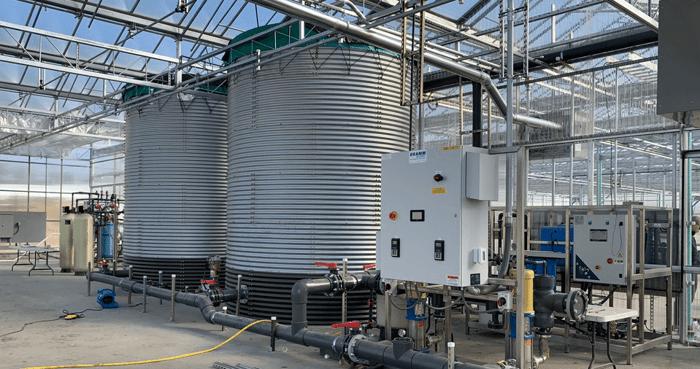
Fertigation equipment can also be integrated to deliver nutrients together with irrigation water.
This creates a more coordinated approach to crop management.
Benefits of Greenhouse Automation for Commercial Growers
Reduced Labor Requirements
Manual greenhouse management requires workers to constantly check temperature, humidity, ventilation, and irrigation.
Automation reduces these repetitive tasks.
Workers can spend more time on crop inspection, harvesting, maintenance, and other high-value activities.
More Consistent Growing Conditions
Automated systems respond to changes faster than manual operation.
This helps minimize sudden environmental fluctuations and provides a more consistent production environment.
Improved Energy Management
Climate equipment does not necessarily need to operate continuously.
Controllers can activate equipment only when required.
This can help reduce unnecessary energy consumption.
Better Resource Efficiency
Automated irrigation and fertigation can reduce unnecessary water and fertilizer use.
Combined with environmental monitoring, the system provides growers with better control over agricultural resources.
Applications of Greenhouse Climate Control
A commercial greenhouse climate control system can be used for a wide range of crops and facilities.
Vegetable Production
Suitable for:
- Tomatoes
- Cucumbers
- Peppers
- Lettuce
- Strawberries
Flower Production
Useful for commercial flower farms and ornamental plant nurseries.
Seedling Production
Stable environmental conditions can help protect young plants during sensitive growth stages.
Hydroponic Farming
Hydroponic facilities require accurate control of temperature, humidity, irrigation, and nutrient delivery.
Research Facilities
Automated controls allow researchers to create repeatable environmental conditions for plant experiments.
Technical Parameters
| Parameter | Typical Specification |
|---|---|
| Control System | PLC / Digital Controller |
| Temperature Monitoring | Supported |
| Humidity Monitoring | Supported |
| Light Monitoring | Optional |
| CO₂ Monitoring | Optional |
| Ventilation Control | Automatic |
| Cooling Control | Automatic |
| Heating Control | Automatic |
| Irrigation Control | Optional |
| Fertigation Control | Optional |
| Remote Monitoring | Optional |
| Communication | Wi-Fi / RS485 / Internet |
| Application | Commercial Greenhouse |
| Customization | Available |
Final configuration should be selected according to greenhouse size, crop type, local climate, and equipment requirements.
Mobile Monitoring and Remote Management
For large agricultural projects, remote access can provide another layer of convenience.
Depending on the control platform, growers may be able to monitor greenhouse conditions from a computer, tablet, or mobile device.
Remote management can help operators:
- Check current temperature
- Review humidity
- Monitor irrigation
- Check equipment status
- Receive abnormal-condition alerts
- Adjust selected operating parameters
This is particularly useful for farms with multiple greenhouse blocks or facilities located far from the main office.
How to Choose the Right Climate Control System
Choosing an automation system requires more than selecting a controller.
Commercial buyers should consider the entire greenhouse operation.
Greenhouse Dimensions
Larger facilities may require multiple sensors and independent control zones.
Crop Type
Different crops require different temperature, humidity, and irrigation strategies.
Local Climate
The system should account for local temperature, humidity, solar radiation, and seasonal conditions.
Existing Equipment
If a greenhouse already has fans, heating equipment, irrigation, or shading systems, the new controller should be compatible with those components.
Future Expansion
For growing businesses, selecting an expandable control platform can make future upgrades easier.
Why Choose Good Growing Tech?
Good Growing Tech provides integrated greenhouse automation and climate management solutions for commercial agricultural projects.
Our solutions can integrate:
✔ Temperature and humidity monitoring
✔ Exhaust fan control
✔ Cooling pad systems
✔ Heating systems
✔ Roof and side ventilation
✔ Shade systems
✔ Irrigation equipment
✔ Fertigation systems
✔ Environmental sensors
✔ Remote monitoring
Rather than treating each greenhouse component as an independent product, an integrated design allows the equipment to work together as one system.
For greenhouse contractors, agricultural distributors, commercial growers, and project developers, this approach makes it easier to create a scalable cultivation environment based on actual production requirements.
FAQs:
What does a greenhouse climate control system control?
Depending on the configuration, it can control temperature, humidity, ventilation, cooling, heating, irrigation, shading, lighting, and other environmental equipment.
Is automation necessary for a commercial greenhouse?
It is not mandatory, but automation can significantly reduce manual work and improve environmental consistency, particularly in larger facilities.
Can an existing greenhouse be upgraded?
Yes. Controllers and sensors can often be integrated with existing ventilation, irrigation, cooling, and heating equipment.
Can the system be controlled remotely?
Remote monitoring and control can be included depending on the selected control platform and communication configuration.
Can one controller manage several greenhouses?
Yes. Larger agricultural projects can use multi-zone control systems to manage different greenhouse areas independently.
Can the system control irrigation?
Yes. Irrigation pumps, valves, fertigation equipment, and moisture sensors can be integrated into the overall control strategy.
Conclusion
A modern greenhouse climate control system provides commercial growers with a practical way to manage the complex environmental conditions that influence crop production.
Instead of relying entirely on manual monitoring, growers can use sensors and automated controllers to coordinate ventilation, cooling, heating, irrigation, and other greenhouse equipment.
The result is a more organized production environment with improved consistency, lower labor requirements, and better resource management.
For commercial greenhouse projects, the most effective solution is rarely a single piece of equipment. A properly integrated climate management system brings different components together and allows them to respond to real-time growing conditions.
Good Growing Tech can help design customized greenhouse automation solutions according to greenhouse structure, crop requirements, local climate, and production objectives.
Contact Us
📧 Email: arno@goodgrowingtech.com
🌐 Website: www.goodgrowingtech.com
📱 WhatsApp: +86 18056416155
🏢 Good Growing Tech – Professional Greenhouse Climate Control & Smart Agriculture Solutions