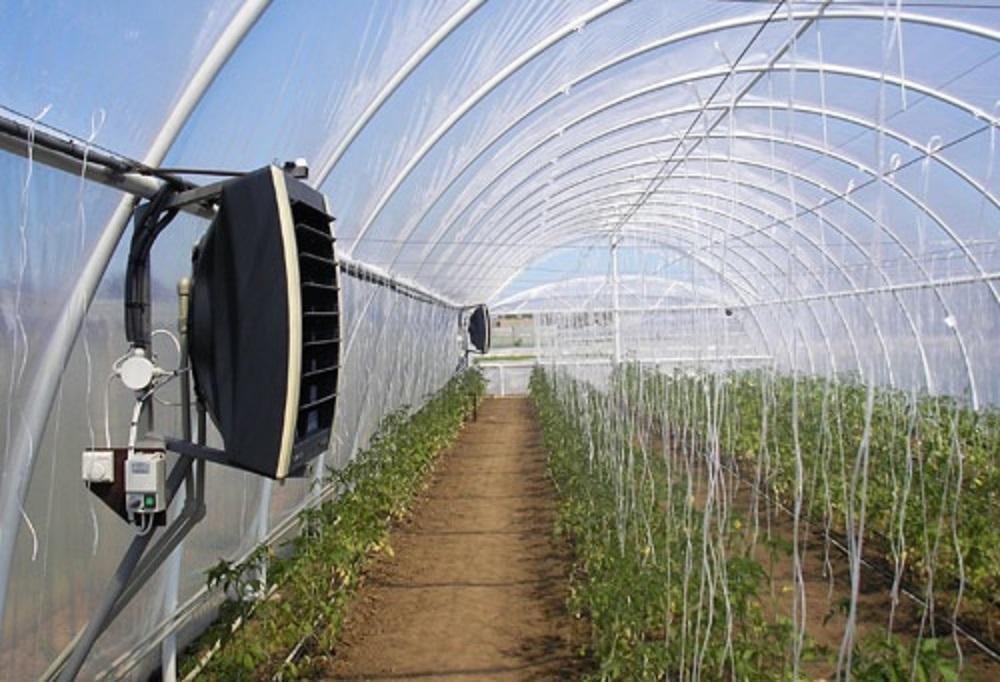
Greenhouse CO₂ Enrichment System for Controlled Crop Production
Carbon dioxide is one of the basic resources plants use during photosynthesis. In a naturally ventilated greenhouse, CO₂ levels change continuously as plants consume carbon dioxide and outside air enters through vents and ventilation systems.
For commercial growers, this creates an opportunity for more precise environmental management.
A greenhouse CO₂ enrichment system can introduce controlled amounts of carbon dioxide into the growing environment when conditions are suitable. When properly designed and operated, CO₂ management can become part of a broader greenhouse climate-control strategy alongside lighting, temperature, ventilation, irrigation, and fertigation.
The key is not simply adding more CO₂. The system should deliver the gas safely and efficiently while considering crop growth stage, greenhouse ventilation, temperature, light levels, and the overall production strategy.
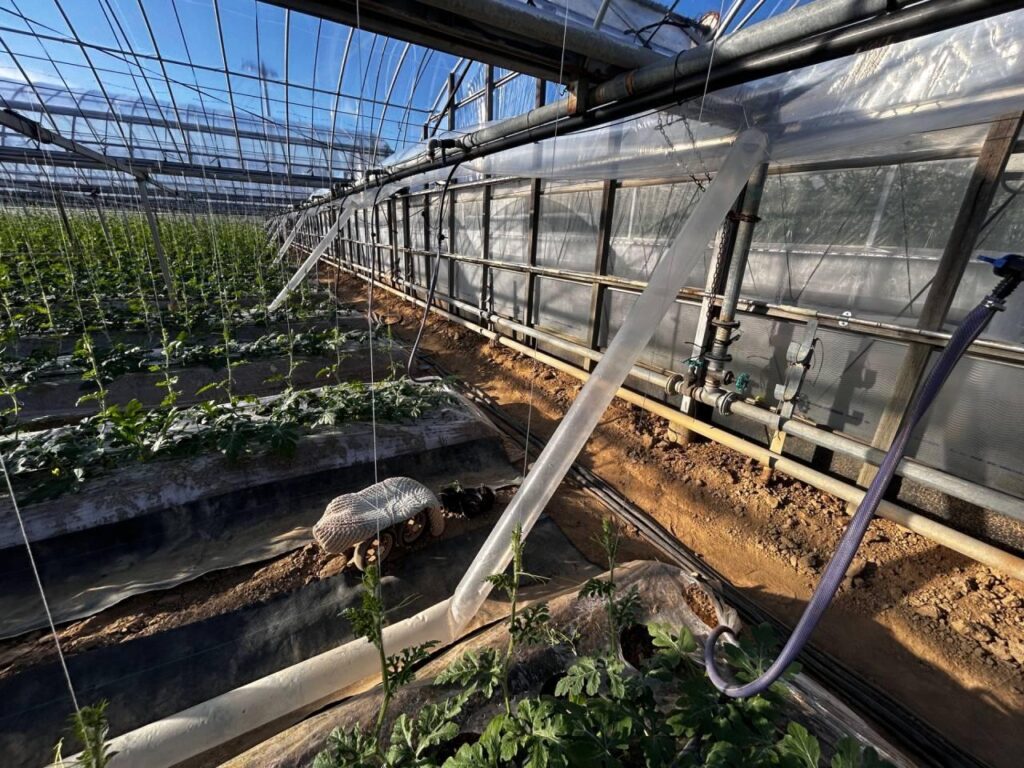
What Is a Greenhouse CO₂ Enrichment System?
A greenhouse CO₂ enrichment system is designed to monitor and, when required, increase carbon dioxide concentration inside a controlled growing environment.
A commercial installation may include:
- CO₂ source
- CO₂ storage or supply equipment
- Pressure regulator
- Gas distribution pipes
- Injection valves
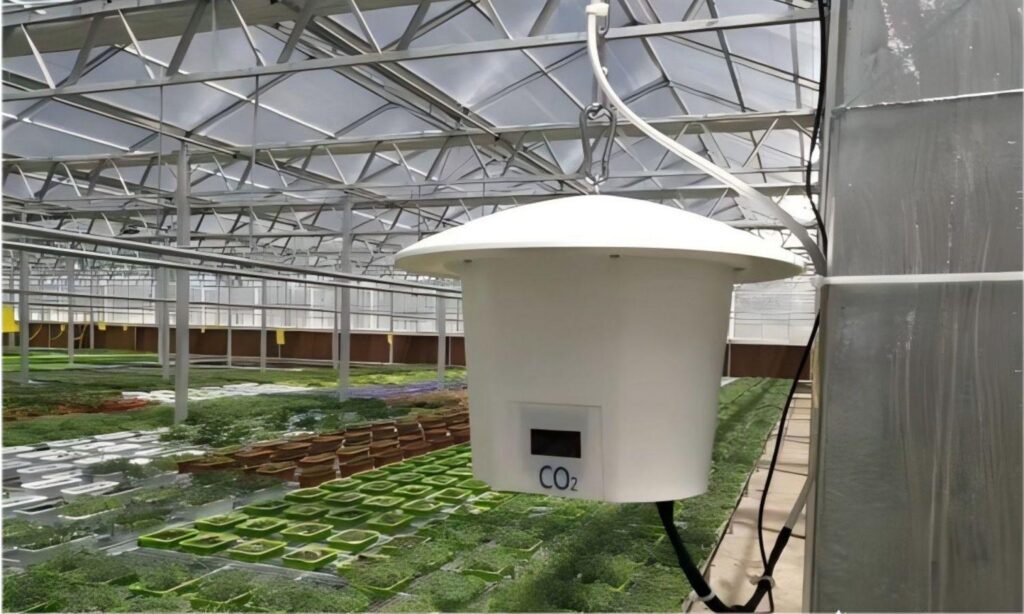
- CO₂ sensors
- Temperature sensors
- Controller
- Safety equipment
- Ventilation interlocks
- Automated dosing controls
The configuration depends on greenhouse size, crop type, growing method, available CO₂ source, and the level of automation required.
For a small greenhouse, a relatively simple control system may be sufficient. Large commercial facilities can use multiple CO₂ zones connected to a centralized climate-control platform.
Why Is CO₂ Important for Greenhouse Crops?
Plants use carbon dioxide during photosynthesis. When light, temperature, water, and nutrients are suitable, CO₂ availability becomes one of the factors influencing photosynthetic activity.
In a closed greenhouse, plants continuously consume CO₂ during active photosynthesis. If ventilation is limited, internal CO₂ levels can change considerably during the growing day.
This is where controlled CO₂ management can be useful.
More Consistent CO₂ Conditions
Monitoring allows growers to understand how CO₂ concentration changes throughout the greenhouse rather than relying entirely on assumptions.
Better Use of the Growing Environment
CO₂ management can be coordinated with lighting, temperature, irrigation, and nutrition to create a more controlled production environment.
Reduced Unnecessary Dosing
An automated system can activate CO₂ injection only when programmed conditions are met instead of continuously supplying gas.
Suitable for Controlled Agriculture
CO₂ control is particularly relevant to greenhouses where environmental conditions are carefully managed.
How Does Greenhouse CO₂ Enrichment Work?
A typical system follows a simple control process:
CO₂ Source → Pressure Regulation → Distribution → Injection → Sensor Feedback → Controller
First, carbon dioxide is supplied from the selected source.
A regulator manages the gas pressure before it enters the distribution network.
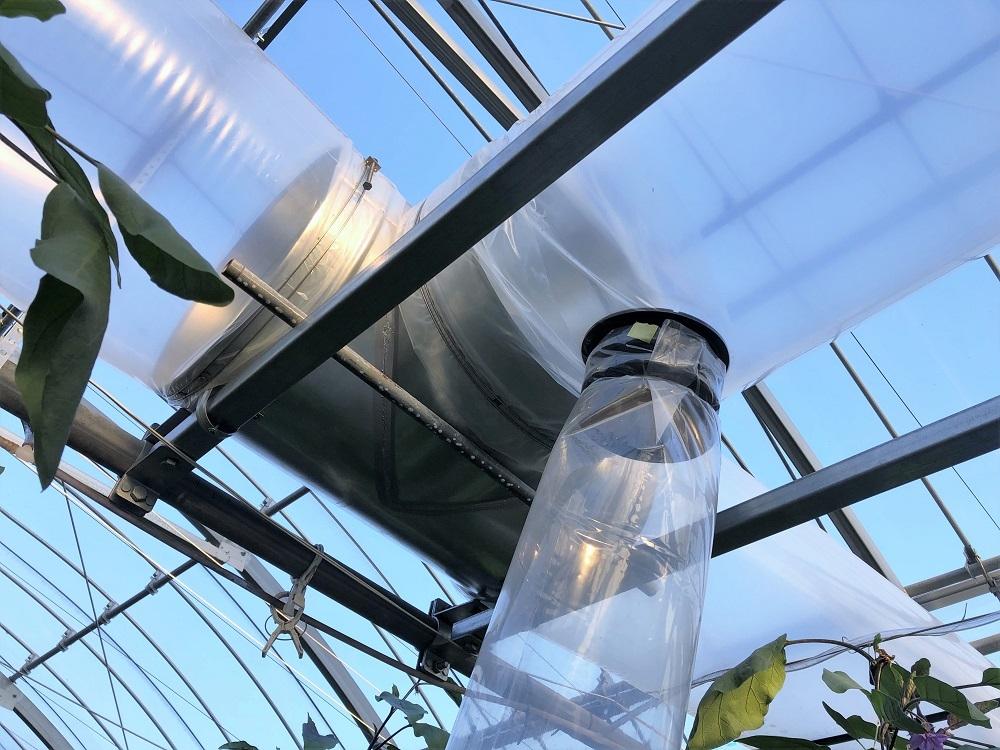
Pipes or tubes then carry the gas to different greenhouse zones. Injection points are positioned according to the greenhouse layout and crop distribution.
CO₂ sensors measure the concentration in the growing area. The controller compares the measured value with the programmed operating range.
If enrichment is required and other conditions are suitable, the controller activates the injection system.
When the target condition is reached, dosing is reduced or stopped.
This feedback-based approach provides much more precise management than manually opening a valve for a fixed period.
Main CO₂ Supply Options
The CO₂ source depends on the project.
Compressed CO₂
Compressed CO₂ can be stored in cylinders or larger tanks and supplied through a controlled distribution system.
This can be suitable for projects that require relatively clean and predictable CO₂ supply.
Liquid CO₂
Larger commercial operations may use bulk liquid CO₂ storage with appropriate vaporization and pressure-control equipment.
This approach can support higher-volume applications, but the storage and supply infrastructure needs to be designed specifically for the project.
Combustion-Based CO₂
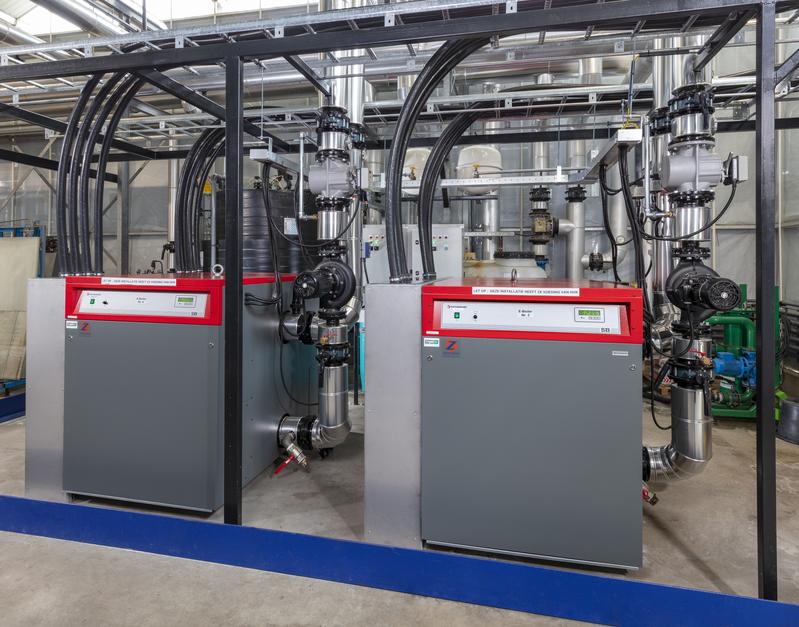
Some greenhouse projects can recover CO₂ from suitable combustion systems.
However, combustion-based enrichment requires careful equipment selection and gas-quality management. Contaminants produced by unsuitable combustion equipment can be harmful to crops and people.
For commercial projects, safety and gas purity should always be considered before selecting a CO₂ generation method.
CO₂ Distribution Inside a Greenhouse
Simply releasing CO₂ at one point is unlikely to provide uniform distribution throughout a large greenhouse.
A commercial system may therefore use a network of distribution tubes positioned throughout the growing area.
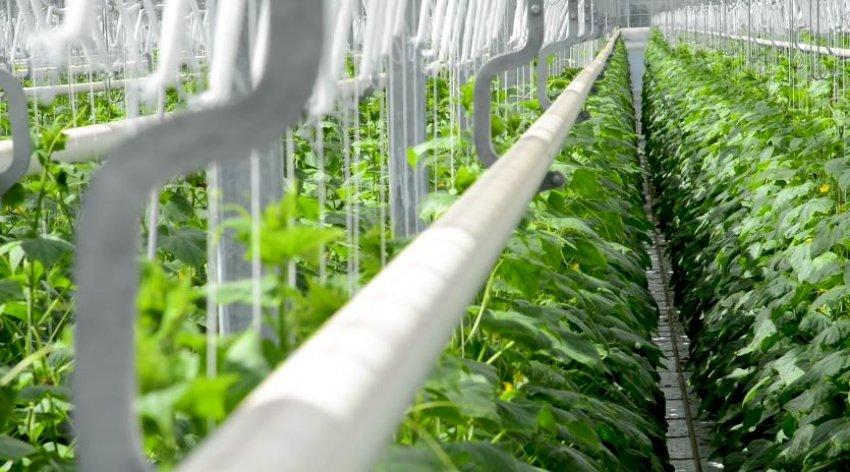
The design should consider:
- Greenhouse dimensions
- Crop density
- Air circulation
- Ventilation layout
- CO₂ injection points
- Greenhouse zones
- Sensor locations
- Operating pressure
- Required control accuracy
Circulation fans can also help distribute the gas more evenly through the growing environment.
CO₂ Enrichment and Ventilation
This is one of the most important considerations when designing a CO₂ system.
If greenhouse vents and exhaust fans are operating at a high rate, injected CO₂ can quickly leave the greenhouse.
That means CO₂ enrichment should not be considered separately from ventilation.
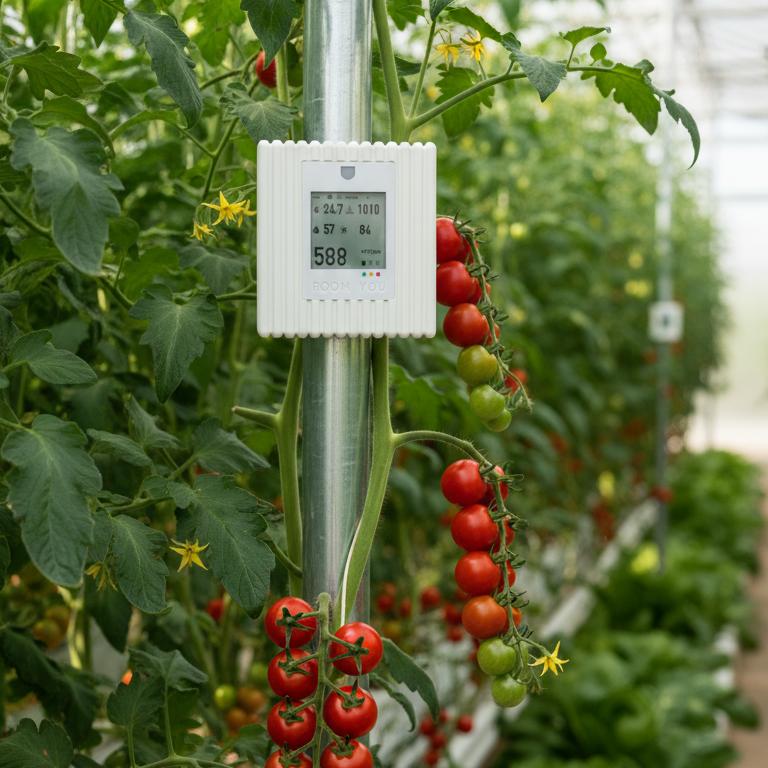
A smart greenhouse controller can coordinate:
- CO₂ injection
- Roof vents
- Side vents
- Exhaust fans
- Circulation fans
- Temperature
- Humidity
- Lighting
- Irrigation
For example, if the greenhouse is being heavily ventilated because of high temperature, continuous CO₂ injection may be inefficient. The controller can instead prioritize temperature management and resume enrichment when the greenhouse is sufficiently enclosed.
This type of coordination can help reduce wasted CO₂.
CO₂ and Light Conditions
CO₂ enrichment is closely connected with photosynthetic activity, which means light conditions matter.
During periods when crops are actively photosynthesizing, CO₂ management can be incorporated into the greenhouse’s daytime environmental strategy.
In contrast, adding CO₂ when there is little or no photosynthetic activity may provide limited value.
For this reason, advanced systems can coordinate CO₂ control with:
- Natural sunlight
- Supplemental grow lighting
- Time schedules
- Temperature
- Crop stage
- Ventilation
- Irrigation
The exact operating strategy should be developed according to the crop and production system rather than applying a single setting to every greenhouse.
CO₂ Enrichment for Different Greenhouse Crops
Vegetables
Commercial vegetable production can use environmental control systems to create more consistent growing conditions.
Flowers
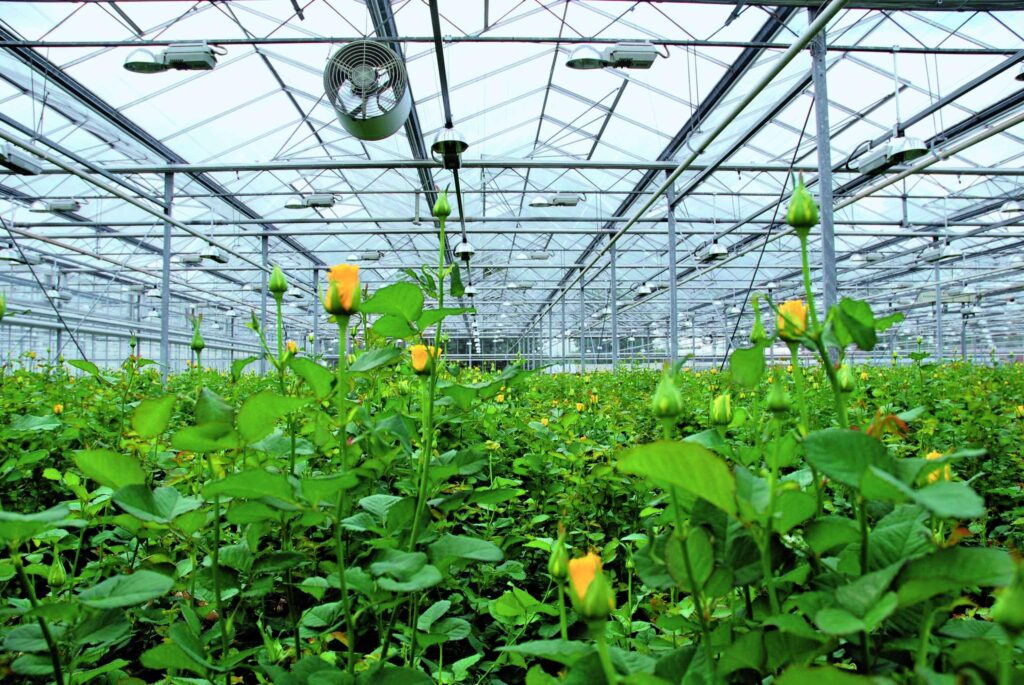
Ornamental crops may benefit from carefully coordinated climate management, although CO₂ requirements vary according to the specific crop.
Nursery Production
CO₂ control can be integrated into controlled propagation and young-plant production where environmental conditions are closely monitored.
Hydroponic Crops
Hydroponic greenhouses already rely on controlled water and nutrient delivery, making CO₂ management a natural addition to an integrated climate-control system.
Research Greenhouses
Research facilities can use sensor-based CO₂ control when repeatable environmental conditions are important.
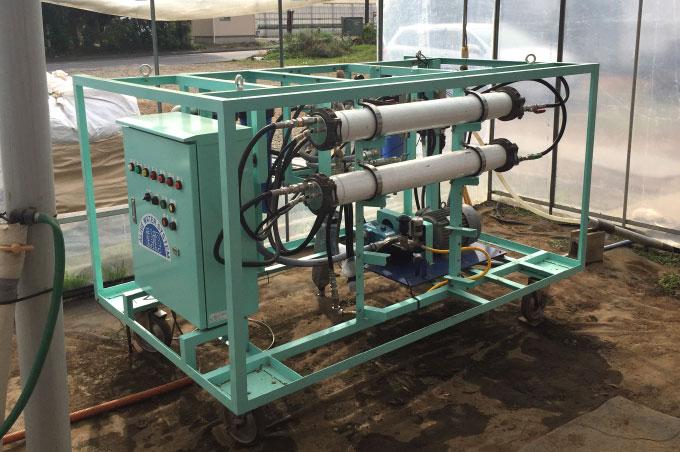
Smart CO₂ Control and Automation
A modern greenhouse CO₂ enrichment system can be connected to a centralized climate controller.
A typical automatic sequence may look like this:
- CO₂ sensor measures the greenhouse concentration.
- Controller checks the programmed operating conditions.
- Temperature and ventilation status are evaluated.
- CO₂ injection valve opens when enrichment is required.
- Distribution system supplies CO₂ to the selected zone.
- Sensor continuously monitors concentration.
- Controller reduces or stops dosing when the programmed condition is reached.
More advanced systems can manage multiple greenhouse zones independently.
This can be useful when different crops or production areas have different environmental requirements.
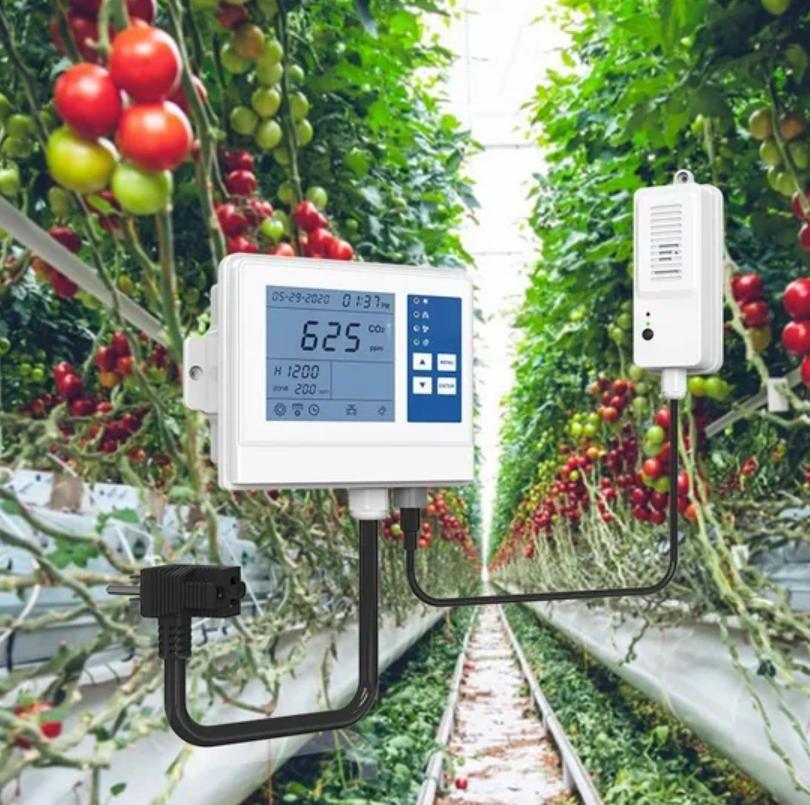
CO₂ Safety Considerations
CO₂ is useful for controlled crop production, but it must be treated as a gas requiring proper safety management.
Commercial installations should consider:
- Reliable CO₂ sensors
- Appropriate ventilation
- Pressure regulation
- Leak detection
- Emergency shutoff
- Proper gas storage
- Correct piping and fittings
- Equipment installation by qualified personnel
- Worker safety procedures
CO₂ concentrations that are suitable for plant management should never be confused with unrestricted exposure for workers. Safety controls should be designed independently from crop-production settings.
Choosing the Right CO₂ System
Before purchasing equipment, commercial buyers should provide detailed project information.
Greenhouse Area and Volume
These determine the approximate distribution requirements and system configuration.
Crop Type
Different crops may have different environmental strategies.
Ventilation
The amount of natural and mechanical ventilation has a major effect on CO₂ consumption.
CO₂ Source
The availability, purity, storage requirements, and operating cost of the selected source should be considered.
Automation
Manual systems may be suitable for small projects, while large commercial greenhouses usually benefit from sensor-based automatic control.
Existing Climate System
The CO₂ system should ideally communicate with ventilation, heating, cooling, lighting, and other environmental equipment.
Technical Parameters
The following specifications are typical project references. Final system parameters should be determined according to greenhouse dimensions, crop requirements, ventilation conditions, CO₂ source, and local safety requirements.
| Parameter | Typical / Optional / Customized |
|---|---|
| System Type | CO₂ Enrichment / Injection |
| CO₂ Source | Compressed / Liquid / Suitable Generator |
| Distribution | PE Tube / Hose / Customized |
| Injection Method | Solenoid Valve / Dosing System |
| CO₂ Sensor | Optional / Automatic System |
| Temperature Sensor | Optional |
| Humidity Sensor | Optional |
| Pressure Regulation | Required / Project Selected |
| Control Mode | Manual / Timer / Automatic |
| Controller | Digital Controller / PLC |
| Distribution Zones | Customized |
| Ventilation Integration | Available |
| Circulation Fan Integration | Available |
| Lighting Integration | Optional |
| Remote Monitoring | Optional |
| Communication | RS485 / Internet / Customized |
| Safety Shutoff | Optional / Project Required |
| Leak Detection | Optional |
| Installation | Customized |
| Application | Greenhouse / Indoor Farming / Research |
| OEM/ODM | Available |
Maintenance of a Greenhouse CO₂ System
Regular inspection is important for safe and reliable operation.
Check pipes and fittings. Look for signs of damage, leakage, or loose connections.
Inspect regulators and valves. Pressure-control components should operate consistently.
Calibrate sensors. Incorrect sensor readings can cause inappropriate dosing.
Check distribution. Uneven gas distribution can indicate problems with pipe layout, pressure, or blocked outlets.
Review safety equipment. Emergency shutoff and monitoring equipment should be tested according to the project’s safety procedures.
Inspect the controller. Automation settings should be reviewed whenever crop schedules or greenhouse operating conditions change.
Good Growing Tech CO₂ Control Solutions
Good Growing Tech provides greenhouse equipment and integrated environmental-control solutions for commercial agriculture.
A CO₂ system can be designed alongside:
- Greenhouse heating
- Cooling systems
- Exhaust fans
- Circulation fans
- Roof ventilation
- Side ventilation
- Humidification
- Dehumidification
- Irrigation
- Fertigation
- Grow lighting
- Climate sensors
- Central automation
Rather than treating CO₂ enrichment as an isolated product, the system can be designed as part of the complete greenhouse environment.
Project configurations can be customized according to greenhouse dimensions, crop type, climate, ventilation strategy, CO₂ source, and desired automation level.
FAQs:
What does a greenhouse CO₂ enrichment system do?
It supplies controlled carbon dioxide to a greenhouse when additional CO₂ is required as part of the crop-management strategy.
Can CO₂ enrichment be automated?
Yes. CO₂ sensors and a climate controller can automatically manage valves and dosing equipment according to programmed conditions.
Does ventilation affect CO₂ consumption?
Yes. Strong ventilation can remove injected CO₂ from the greenhouse, so CO₂ control should be coordinated with ventilation.
Can CO₂ be used in hydroponic greenhouses?
Yes. CO₂ management can be integrated with hydroponic irrigation, fertigation, lighting, and climate-control systems.
Is a CO₂ sensor necessary?
For automated commercial systems, monitoring is strongly recommended because the controller needs reliable information about the greenhouse environment.
Can the CO₂ system be connected to greenhouse automation?
Yes. It can be integrated with temperature, humidity, ventilation, lighting, irrigation, and other climate-control equipment.
Conclusion
A well-designed greenhouse CO₂ enrichment system can give commercial growers more control over one of the key environmental factors involved in plant photosynthesis. The best results come from treating CO₂ as part of a complete climate-management strategy rather than simply installing an injection device.
Source selection, distribution, sensors, ventilation, crop requirements, safety, and automation should all be considered during system design.
For commercial greenhouse projects, Good Growing Tech can provide customized CO₂ management and integrated greenhouse climate-control solutions based on the actual production environment.
📧 Email: arno@goodgrowingtech.com
🌐 Website: www.goodgrowingtech.com
📱 WhatsApp: +86 18056416155