Why a Greenhouse Heating System Is Essential for Year-Round Farming
Modern greenhouse agriculture is no longer limited by seasons. Commercial growers increasingly want to maintain stable production throughout the entire year, including during cold winters and extreme weather conditions.
However, low temperatures can create serious challenges for plant growth. Cold environments may slow plant development, damage sensitive crops, and reduce overall production efficiency.
This is why a professional greenhouse heating system has become an essential component for commercial greenhouse projects.
A reliable heating solution helps maintain suitable growing temperatures, protect crops from cold stress, extend growing seasons, and improve production stability.
For commercial growers, investing in an efficient heating system is not only about protecting plants—it is about ensuring predictable harvest schedules and maximizing return on investment.
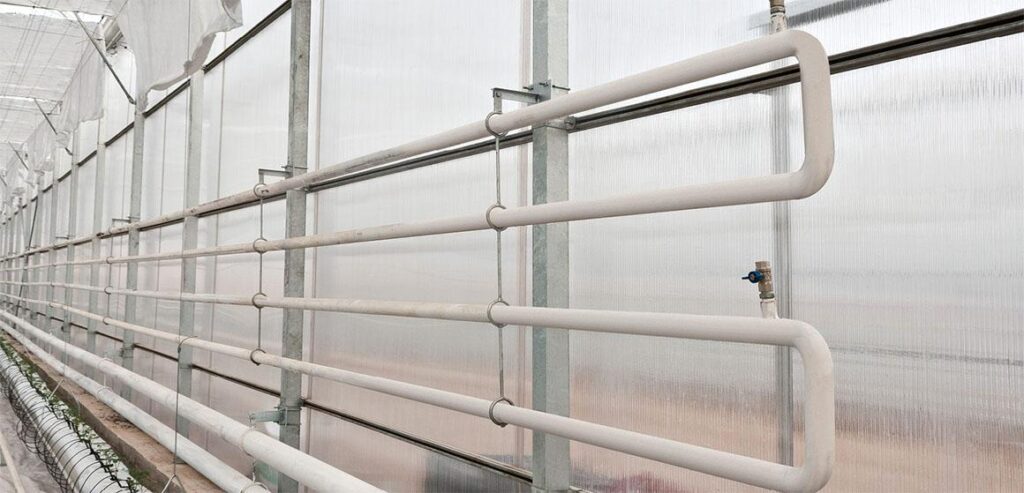
What Is a Commercial Greenhouse Heating System?
A greenhouse heating system is a climate control solution designed to maintain optimal temperatures inside agricultural greenhouses.
The system provides controlled heat distribution to protect crops during cold seasons.
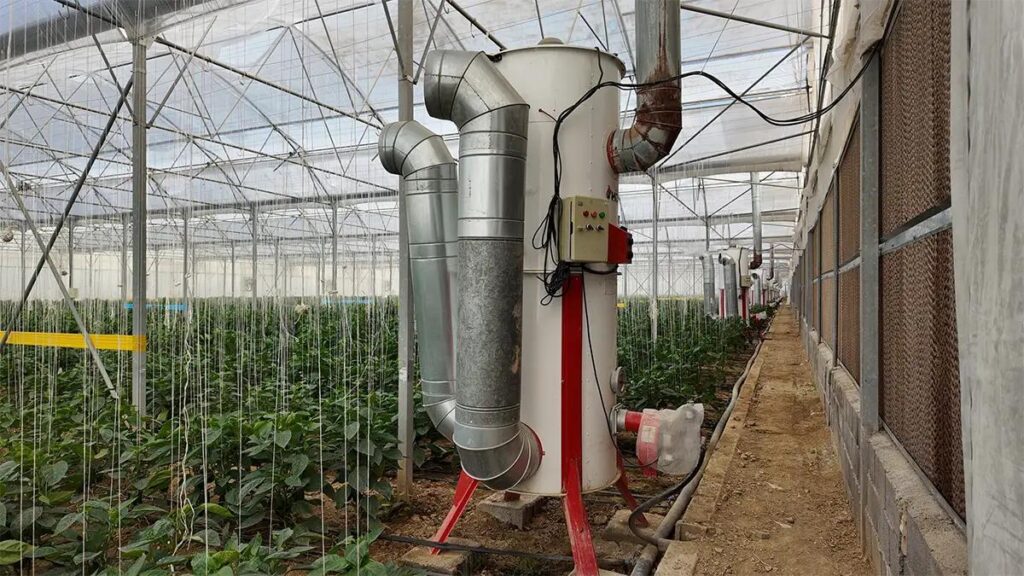
A complete greenhouse heating solution may include:
- Hot water heating pipes
- Electric greenhouse heaters
- Gas heating equipment
- Biomass heating systems
- Thermal storage systems
- Temperature controllers
- Automated monitoring devices
Different heating methods can be selected depending on greenhouse size, crop type, climate conditions, and energy availability.
Why Temperature Control Matters in Greenhouse Production
Plants require specific temperature ranges for healthy growth.
When temperatures drop below suitable levels, growers may experience:
- Slower growth cycles
- Reduced flowering
- Lower fruit production
- Increased disease risks
- Crop losses
A professional greenhouse heating system helps maintain stable conditions by providing consistent heat distribution.
Stable temperatures support:
- Better plant metabolism
- Improved nutrient absorption
- More uniform crop development
- Higher production efficiency
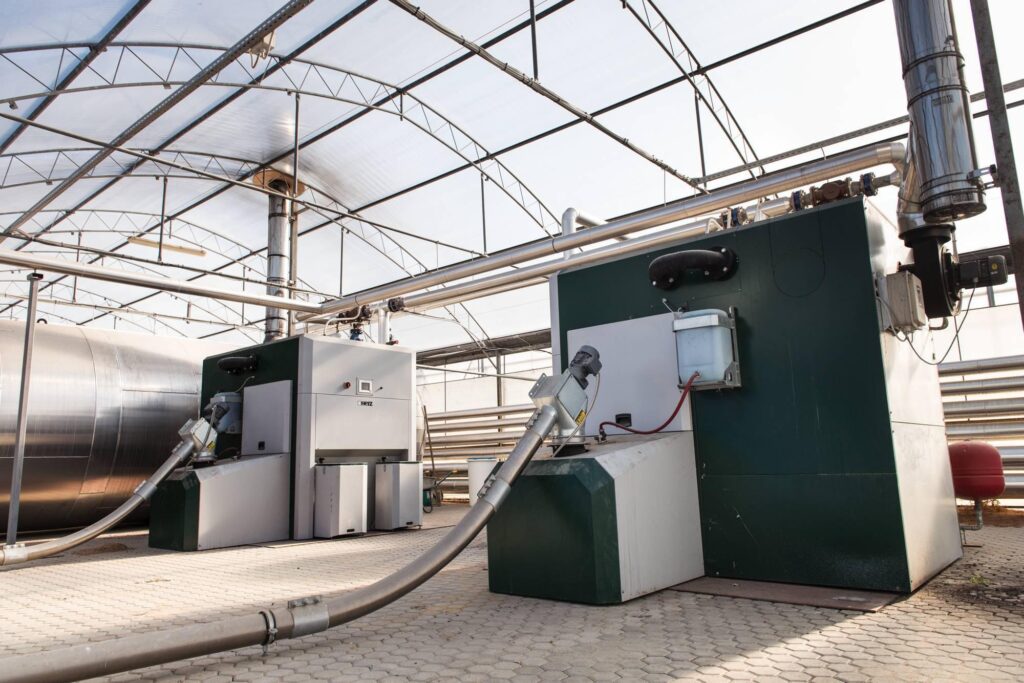
Types of Greenhouse Heating Systems
Hot Water Heating System
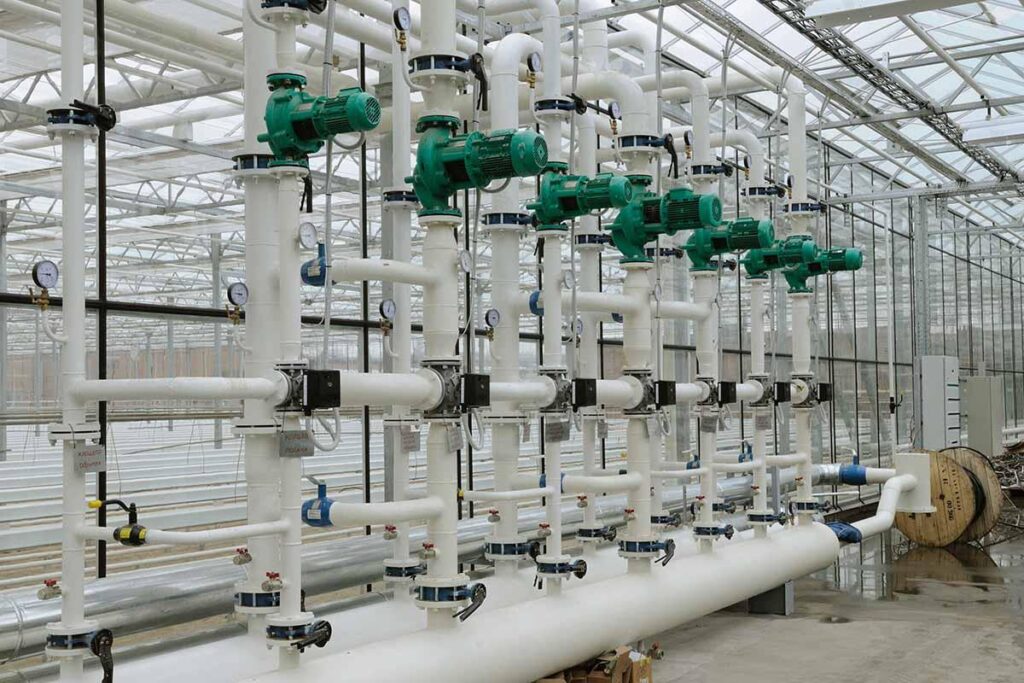
Hot water heating is one of the most common solutions used in large commercial greenhouses.
The system works by circulating heated water through pipes installed around the growing area.
Advantages:
- Even heat distribution
- High efficiency
- Suitable for large-scale projects
- Long service life
Applications:
- Vegetable farms
- Flower greenhouses
- Commercial agricultural facilities
Electric Greenhouse Heating System
Electric heaters are suitable for smaller greenhouse projects or locations with reliable electricity supply.
Advantages:
- Easy installation
- Simple operation
- Flexible application
Suitable for:
- Nursery greenhouses
- Research facilities
- Small farms
Gas and Biomass Heating Systems
For large agricultural operations, gas or biomass heating can provide efficient heating capacity.
Benefits:
- Strong heating performance
- Suitable for cold climates
- Reduced operating costs when properly managed
Improving Energy Efficiency With Modern Heating Technology
Energy costs are one of the biggest concerns for commercial growers.
Modern heating solutions focus on improving efficiency through:
- Insulated greenhouse structures
- Smart temperature controllers
- Automated heating schedules
- Heat recovery technology
- Thermal storage solutions

A properly designed greenhouse heating system reduces unnecessary energy consumption while maintaining stable growing conditions.
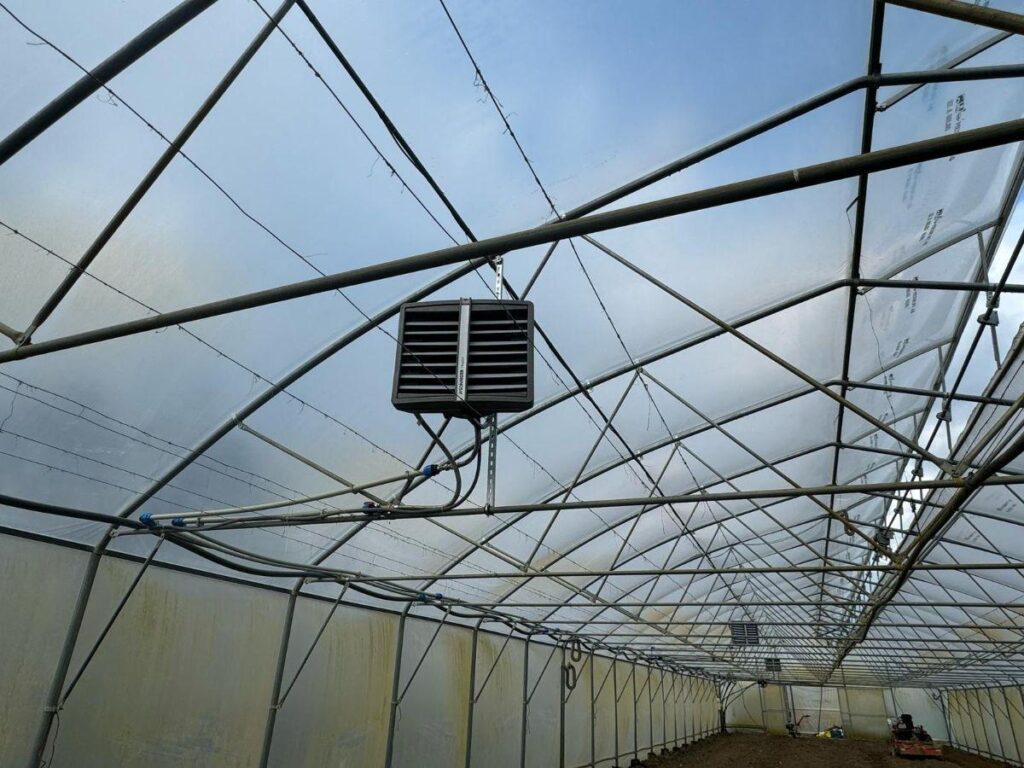
Combining Heating Systems With Smart Greenhouse Automation
Modern agriculture is moving toward intelligent climate management.
Heating systems can be integrated with:
- Temperature sensors
- Humidity sensors
- Climate controllers
- IoT monitoring platforms
The system automatically adjusts heating output based on real-time environmental conditions.
Benefits include:
- Reduced labor requirements
- More accurate temperature management
- Lower energy waste
- Improved crop consistency
Applications of Greenhouse Heating Systems
Professional heating solutions are widely used in:
Vegetable Production
Including:
- Tomatoes
- Cucumbers
- Lettuce
- Peppers
Flower Cultivation
Maintaining stable temperatures for sensitive plants.
Nursery Production
Protecting seedlings during early growth stages.
Hydroponic Farming
Maintaining suitable conditions for controlled cultivation.
Cold Climate Agriculture
Supporting production in regions with low temperatures.
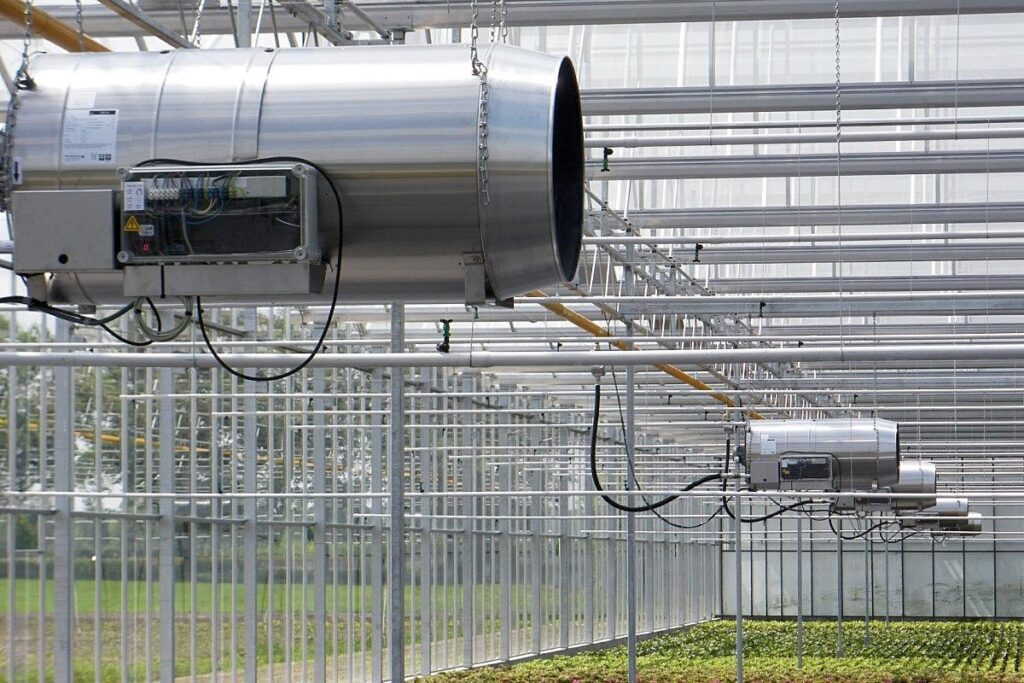
Technical Parameters
| Item | Specification |
|---|---|
| Heating Type | Hot Water / Electric / Gas / Biomass |
| Control Mode | Manual / Automatic |
| Temperature Control | Smart Sensor System |
| Heating Medium | Water / Air / Electricity |
| Application | Commercial Greenhouse |
| Energy Option | Customized |
| Installation | Engineering Design |
| Automation | Available |
How to Choose the Right Greenhouse Heating System?
Before selecting heating equipment, growers should consider:
Greenhouse Size
Large facilities require higher heating capacity.
Local Climate
Cold regions need stronger insulation and heating solutions.
Why Choose Good Growing Tech Heating Solutions?
Crop Requirements
Different plants require different temperature ranges.
Energy Availability
Available fuel sources influence system selection.
Operating Costs
Energy efficiency should be considered for long-term operation.
Good Growing Tech provides complete greenhouse climate management solutions for commercial agriculture.
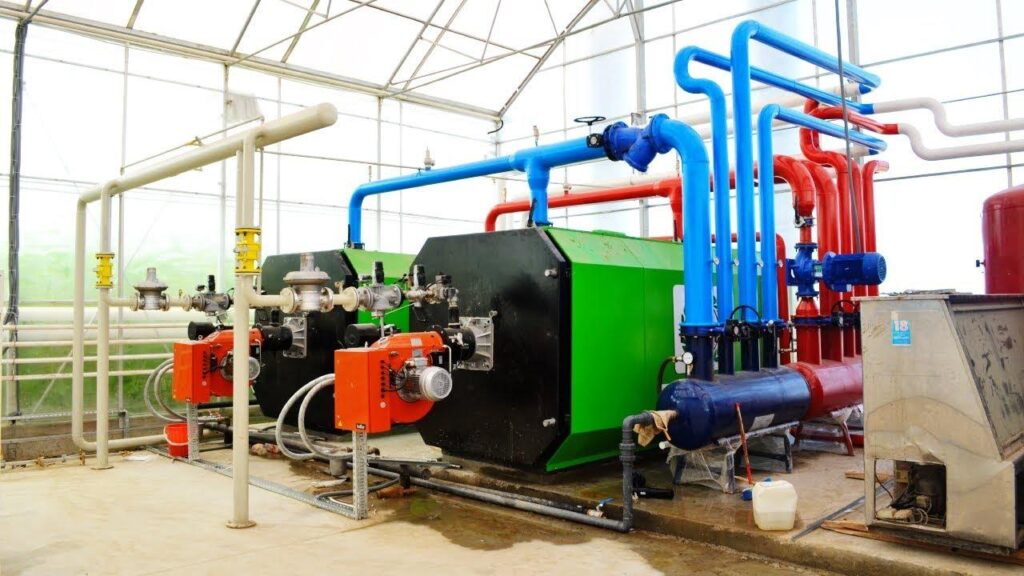
Our services include:
✔ Greenhouse heating system design
✔ Climate control integration
✔ Heating equipment supply
✔ Smart temperature management
✔ Customized agricultural solutions
✔ Complete greenhouse engineering support
We help growers create stable production environments suitable for different climates and crop requirements.
FAQs:
Why does a greenhouse need heating?
Heating systems maintain suitable temperatures during cold periods and protect crops from frost and low-temperature damage.
Which greenhouse heating system is best?
The best option depends on greenhouse size, climate conditions, crop requirements, and available energy sources.
Can heating systems be automated?
Yes. Modern greenhouse heating can connect with sensors and smart controllers for automatic operation.
Are greenhouse heating systems expensive to operate?
Energy costs depend on system design, insulation quality, and local climate conditions. Efficient systems can significantly reduce operating expenses.
Can heating work together with cooling systems?
Yes. Many commercial greenhouses combine heating, cooling, ventilation, and automation into one climate management system.
Conclusion
A professional greenhouse heating system provides the foundation for reliable year-round agricultural production.
By maintaining stable temperatures, reducing climate risks, and improving crop consistency, heating solutions help growers extend growing seasons and increase profitability.
For commercial farms operating in cold regions, an efficient heating system is an important investment for long-term agricultural success.
Contact Us
📧 Email: arno@goodgrowingtech.com
🌐 Website: www.goodgrowingtech.com
📱 WhatsApp: +86 18056416155
🏢 Good Growing Tech – Professional Greenhouse Climate Control & Agricultural Solutions