Why Forage Container Systems Are Reshaping Modern Livestock Feeding
Rising feed costs, unpredictable weather conditions, and increasing pressure on agricultural land have pushed livestock producers to rethink how feed is produced. Across dairy farms, cattle operations, and commercial livestock facilities, controlled cultivation systems are becoming an increasingly practical solution.
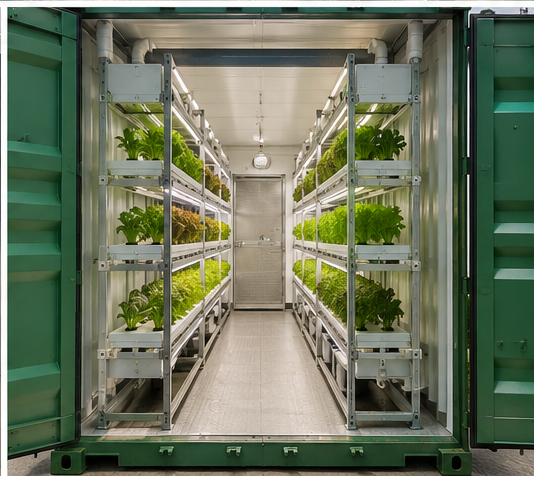
Forage container systems are designed to create a stable environment for producing fresh fodder throughout the year.
Instead of relying completely on outdoor conditions, growers can control growing cycles, irrigation schedules, and environmental factors more accurately.
The Growing Problem of Feed Supply Stability
Feed availability directly affects livestock productivity. Drought, flooding, transportation disruptions, and rising grain costs create challenges for producers trying to maintain stable operations.
Container-based feed production offers growers more independence from these variables.
Instead of waiting for favorable weather conditions, operators can maintain production schedules with fewer interruptions.
This becomes especially important in regions experiencing water shortages or harsh seasonal environments.
Containerization: https://en.wikipedia.org/wiki/Containerization_(computing)
Water Efficiency Has Become a Competitive Advantage
Agriculture is increasingly pressured to reduce resource consumption while maintaining output. Water efficiency is one reason many farms evaluate indoor feed production systems.
Automated irrigation and recirculation systems help reduce unnecessary water use while supporting faster growth cycles.
Compared with traditional field production, controlled systems often require significantly less water input.
Water savings also contribute to lower operational costs over time.

Why Automation Matters for Large Farms
Large livestock operations often struggle with labor shortages and increasing operating expenses.
Modern cultivation systems integrate:
- Automated irrigation
- Environmental monitoring
- Lighting schedules
- Climate controls
- Nutrient management systems
Automation reduces repetitive labor while improving production consistency.
Scalability Supports Business Expansion
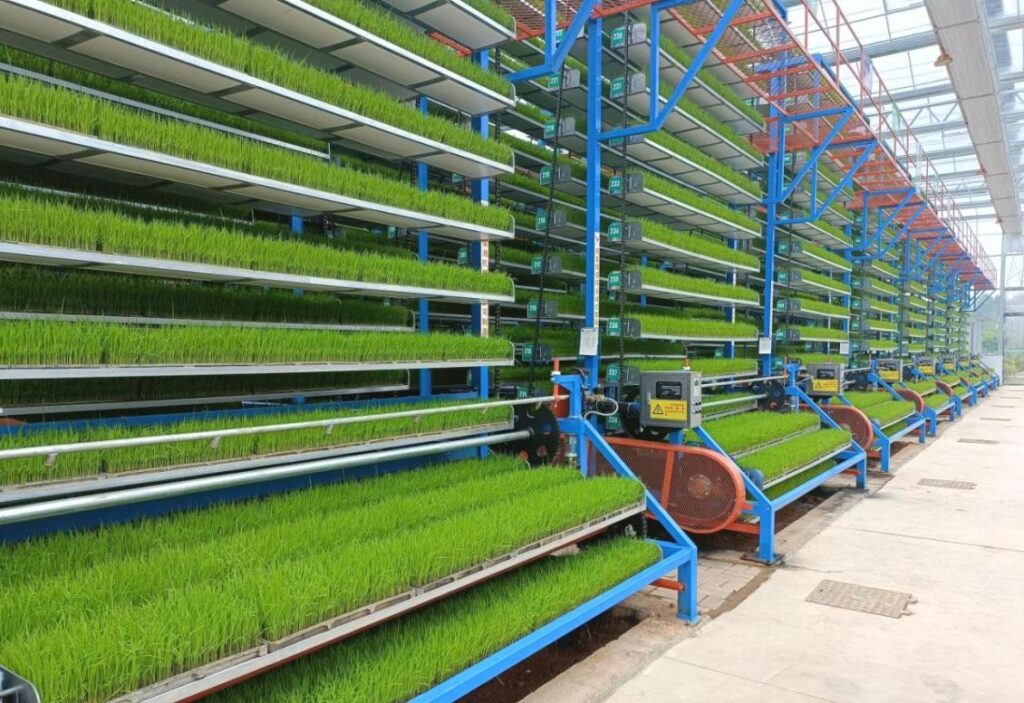
One major reason agricultural businesses prefer modular systems is scalability.
Small operations can begin with limited production capacity and expand later as demand increases.
This reduces initial investment pressure while supporting long-term growth strategies.
Applications Beyond Traditional Livestock Farms
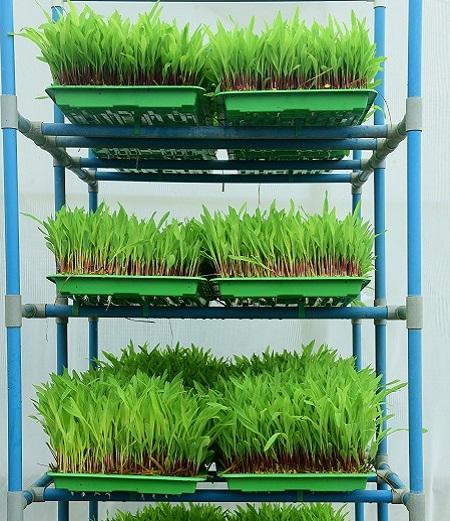
Forage systems are no longer limited to cattle farms.
Applications include:
- Dairy production
- Horse breeding facilities
- Sheep operations
- Goat farms
- Poultry feed projects
- Research facilities
This flexibility increases market demand across multiple agricultural sectors.
Is Controlled Feed Production Worth the Investment?
The answer depends on:
- Water availability
- Labor costs
- Land limitations
- Feed transportation expenses
- Local climate conditions
For many producers, improving production stability becomes more valuable than simply increasing output.
Contact Us
📧 Email: arno@goodgrowingtech.com
🌐 Website: www.goodgrowingtech.com
📱 WhatsApp: +86 18056416155
🏢 Good Growing Tech – Professional Indoor Farming Solutions